


Greece is a dream destination—a place where ancient history collides with stunning beaches, vibrant nightlife, and delicious food. From the iconic ruins of Athens to the dramatic seacliffs of Santorini, this 7-day Greece itinerary strikes the perfect balance between immersing yourself in rich culture and the beauty of the Mediterranean. Whether you’re wandering through ancient civilizations, sipping local wine, or lying on black-sand beaches, this trip gives you a taste of the best that Greece has to offer.
This itinerary will take you from the bustling streets of Athens to the relaxed island vibes of Santorini and Mykonos, before ending with the rich history and culture of Crete. Get ready for an unforgettable adventure that blends exploration, relaxation, and plenty of opportunities to try some of the best food in the world.
Days 1-3: Athens – History, Beaches, and Islands
Start your Greek adventure in Athens, a city where the past meets the present. With its fascinating ruins, bustling neighborhoods, and vibrant culture, Athens is a perfect place to dive into the ancient history of Greece while enjoying the modern charm of a cosmopolitan city.
Day 1: Arrival in Athens – The Cradle of Civilization

Arriving in Athens feels like stepping into a living history book. Your journey begins at the Acropolis, one of the most renowned sites in the Classical world. As you stand before the Parthenon, you’ll feel the weight of the centuries that have passed, with the grandeur of ancient Greece surrounding you at every turn. The Parthenon, a symbol of the glory of Athens and Greek civilization, towers over the city, and exploring it will immerse you in its rich history. Don’t forget to visit the Temple of Athena Nike, a small but stunning structure that celebrates the goddess of victory, and the Erechtheion, known for its exquisite Caryatids—statues of women that replace traditional columns.
After you’ve explored the Acropolis, make your way to the National Archaeological Museum, where you’ll find some of the most important artifacts from ancient Greece. The museum houses treasures such as the Antikythera mechanism, often referred to as “the world’s first computer,” which was used to predict astronomical positions and eclipses.
In the afternoon, head to Plaka, Athens’ oldest neighborhood. With its winding streets, cute cafés, and traditional tavernas, Plaka offers the perfect setting for a relaxed afternoon. Wander the charming alleys and stop to enjoy a refreshing freddo cappuccino, a local coffee drink, or a scoop of homemade Greek yogurt topped with honey and nuts.
End your day by hiking up to Mount Lycabettus for a panoramic view of Athens. The climb is a little steep, but the breathtaking view of the Acropolis and the Mediterranean Sea makes it all worth it—especially at sunset, when the golden light casts a magical glow over the city.
Day 2: Athens – Culture, Streets, and Sights
On day two, continue to soak up the culture and history of Athens. Start by visiting the Ancient Agora, the heart of ancient Athens. This was where Socrates, Plato, and other philosophers would have their famous discussions that shaped the future of Western thought. Today, the site offers a fascinating glimpse into ancient Athens, with well-preserved ruins and a glimpse into daily life during the Classical period.
Next, head to Monastiraki Square, a vibrant spot that perfectly blends ancient history with modern-day Athens. Monastiraki is home to a bustling market, where you can shop for everything from antiques and vintage clothes to local crafts and souvenirs. You’ll also find a variety of food stalls and traditional tavernas where you can sample some of Greece’s best street food. Try a gyro, which is made of grilled meat served in pita bread with fresh veggies and tzatziki sauce, or hold the meat and add extra veg to still get the same flavors for a plant-based option.
For a more local experience, spend the evening in Psiri, a trendy neighborhood full of art galleries, street art, and quirky bars. The area has a youthful energy and is the perfect place to enjoy some traditional Greek meze (small dishes), such as tzatziki, hummus, and grilled octopus. Pair it with a glass of Greek wine or ouzo for a truly authentic experience.
In the evening, take a short trip out of the city to Cape Sounio to visit the Temple of Poseidon. Perched on a cliff overlooking the Aegean Sea, the temple offers one of the most stunning views in Greece, especially at sunset.
Day 3: Santorini – A Dream Island Awaits
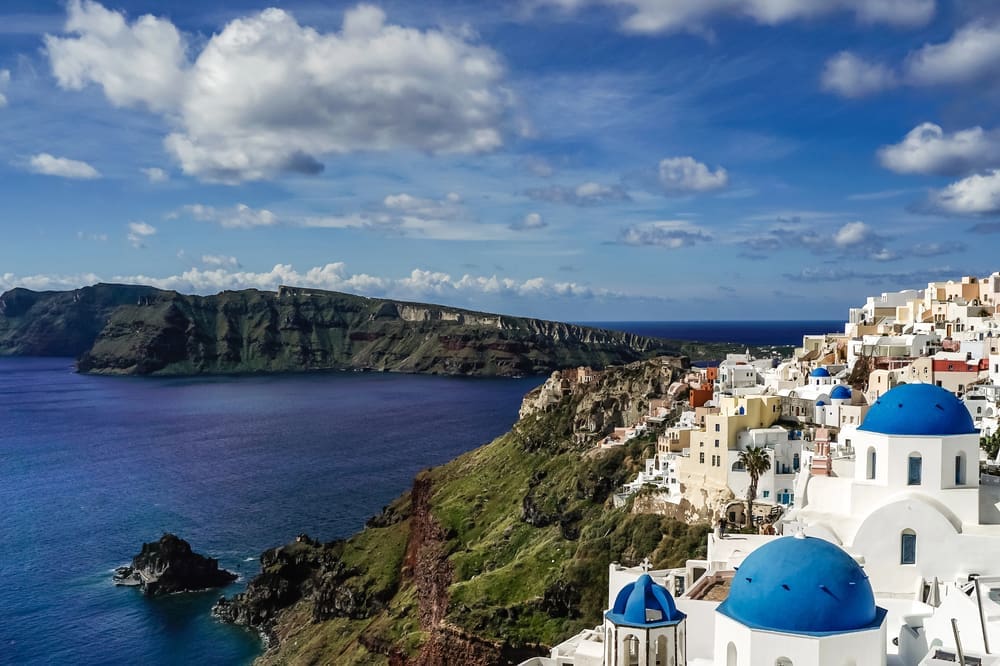
On the third day, hop on a ferry to Santorini, one of Greece’s most famous and picturesque islands. Known for its iconic whitewashed buildings, blue-domed churches, and dramatic cliffs, Santorini is everything you’ve seen in postcards—and much more.
Start your time in Oia, the picturesque village perched on the edge of the caldera. Oia’s narrow cobblestone streets are lined with charming shops, local galleries, and cozy cafes. As you walk, you’ll be treated to stunning views of the deep blue sea, the caldera, and the island’s characteristic white buildings. Make sure to visit one of the many blue-domed churches for the perfect photo opportunity.
In the afternoon, head to Fira, the island’s bustling capital. Fira offers a mix of shopping, fine dining, and vibrant nightlife. Grab a bite to eat at a local taverna, where you can try grilled octopus or fava, a creamy dish made from split peas and drizzled with olive oil and herbs. As you stroll through the town, you’ll also pass shops selling local crafts, handmade jewelry, and unique Santorini products.
No trip to Santorini would be complete without a visit to its famous black sand beaches. Spend the afternoon relaxing on Kamari Beach or Perissa Beach, both known for their volcanic sand and crystal-clear waters. Take a swim in the Aegean Sea, lounge in the sun, or sip a refreshing cocktail at one of the beachside bars.
As evening falls, head back to Oia to witness one of the world’s most famous sunsets. Watch as the sky transforms into a canvas of vibrant colors reflecting off the caldera and the sea. It’s a moment you won’t soon forget.
Days 4-5: Mykonos & Delos – Iconic Islands and Culture

After Santorini, it’s time to head to Mykonos, one of Greece’s most famous islands, known for its stunning beaches and vibrant nightlife. Mykonos is the perfect blend of relaxation and fun, offering something for everyone, from lively beach clubs to peaceful coves.
Start your day in Mykonos Town (Chora), a labyrinth of narrow streets filled with whitewashed buildings, boutique shops, and local cafés. Don’t miss the iconic windmills, located just outside the town center, which provide a fantastic photo opportunity with the sea as a backdrop. From here, head to Little Venice, a picturesque neighborhood where the buildings are perched right on the water. Enjoy a drink at one of the charming bars as the waves crash against the walls.
In the afternoon, head to one of Mykonos’ famous beaches, such as Psarou Beach or Paradise Beach. These beaches are renowned for their crystal-clear waters, vibrant beach clubs, and laid-back atmosphere. Spend your time swimming, lounging on the beach, or enjoying a cocktail while listening to the sound of the waves.
As night falls, Mykonos comes alive with its legendary nightlife. Head back to Mykonos Town for dinner, where you can enjoy fresh seafood dishes such as freshly caught fish or grilled octopus, paired with a glass of local wine. Afterward, dive into the island’s famous nightlife, with bars and nightclubs that stay open until the early hours of the morning.
Day 5: Delos – Island of Myths and Ruins

On Day 5 of this 7-day Greece itinerary, embark on a boat trip to Delos, a small island with profound historical and mythological significance. Located just a short distance from Mykonos, Delos is one of the most important archaeological sites in all of Greece and holds a special place in Greek mythology. According to legend, Apollo and Artemis, the twin gods of the sun and moon, were born here, making the island a major religious center for ancient Greeks. Today, Delos is a UNESCO World Heritage Site and a living testament to Greece’s ancient glory.
Upon arrival on the island, you’ll immediately feel the atmosphere of sacred history. The site is an open-air museum of stunning ruins, each one telling a part of Delos’ ancient story. Begin your tour at the Temple of Apollo, the heart of the island’s spiritual significance. Here, you’ll see remnants of grand columns that once stood as tall as giants, surrounded by statues and inscriptions that give you insight into the worship practices of the ancient Greeks. As you explore, imagine what this sacred space might have looked like in its prime, filled with priests, worshippers, and sacrifices to the gods.
From the Temple of Apollo, take a walk over to the Terrace of the Lions, a row of ancient lion statues that guard the entrance to the sacred island. These lions, originally carved from marble, once stood proudly as symbols of strength and protection. Some of the lions are still standing, while others have been moved to museums for preservation, but the power of these statues still lingers. As you look at the lions, it’s easy to imagine the grand ceremonies and festivals that would have taken place here in the past.
Next, make your way to the House of the Dolphins, one of the most well-preserved homes on the island. The mosaic floor, decorated with a series of dolphins, is a marvel of ancient craftsmanship. This home was likely inhabited by wealthy citizens of Delos, and the mosaics provide a glimpse into daily life and artistic expression. As you wander through the various ruins, you’ll encounter many other houses and temples, each with its own distinct architectural style and story to tell.
Don’t miss a visit to the Ancient Marketplace (Agora), once a hub of trade where merchants from all over the Mediterranean exchanged goods such as pottery, wine, and olive oil. Today, the marketplace is a collection of broken columns and scattered remnants, but it still offers a sense of the island’s importance as a center of commerce. Picture traders haggling over goods and tourists arriving by boat from far-off lands.
The island also offers excavated statues, mosaics, and temple ruins, with many of the finds now housed in the Archaeological Museum of Delos. A quick stop at the museum will allow you to see some of the most fascinating artifacts from Delos, including sculptures of gods and goddesses, tools, and pottery. These objects bring the island’s ancient past to life and provide a deeper understanding of the culture that once thrived here.
As you continue exploring, take in the stunning views of Mykonos and the surrounding islands. The panoramic vistas from Delos are breathtaking, with clear views of the turquoise waters of the Aegean Sea and the stark, rocky landscape of the island itself. Photo opps galore!
After your tour of the island, return to Mykonos, where you can spend the afternoon on one of the quieter beaches like Agios Stefanos or Panormos. These beaches offer a peaceful escape from the more crowded spots on Mykonos, with calm waters perfect for swimming or floating under the sun. Alternatively, you can explore more of Mykonos Town (Chora), with its charming streets, colorful shops, and lively cafés.
In the evening, return to Mykonos Town for dinner at one of the seaside tavernas. Enjoy freshly prepared seafood like grilled sardines, octopus in olive oil, or a plate of Cretan dakos—a salad made from barley rusk, tomatoes, and olive oil. Pair it with a glass of local Assyrtiko wine or a refreshing cocktail and take in the beauty of the sunset over the Aegean Sea. Mykonos’ evening atmosphere is vibrant, and after dinner, you can either explore the nightclubs and bars or take a more laid-back approach and enjoy a drink by the sea.
Days 6-7: Crete – History, Beaches, and Local Culture
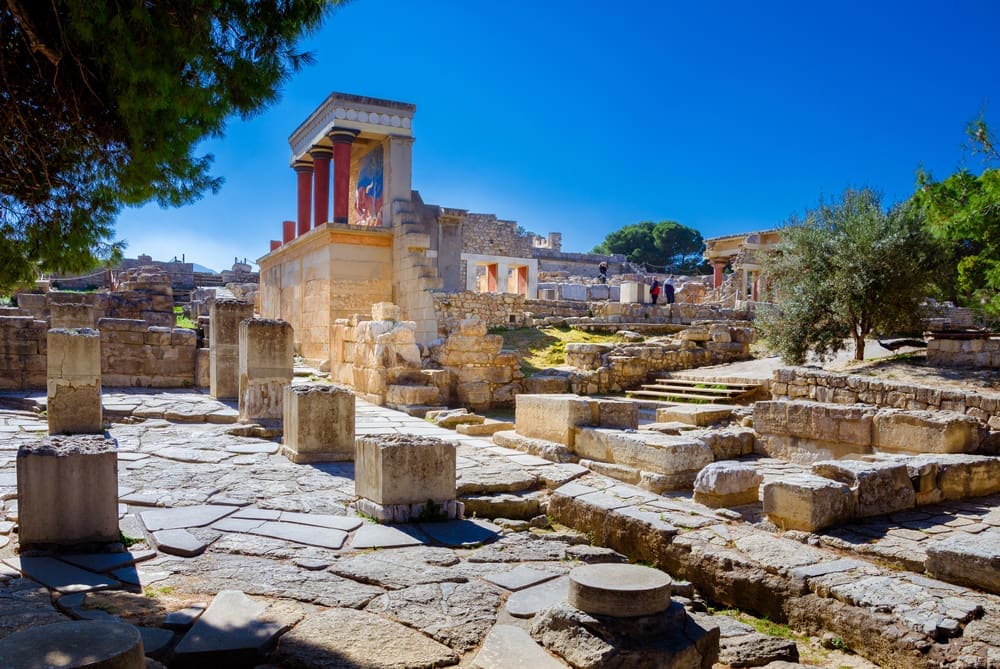
Your adventure now continues on Crete, the largest of Greece’s islands. Known for its rich Minoan history, stunning beaches, and distinctive culture, Crete offers something for everyone. The island is divided into several regions, each with its own character. On this day, immerse yourself in the history and culture of Crete, starting with a visit to Knossos Palace.
Knossos, the largest and most significant Minoan archaeological site on Crete, is an extraordinary example of ancient architecture and civilization. Walking through the labyrinthine halls and open courtyards, you’ll encounter vivid frescoes that depict scenes of bull-leaping, processions, and religious ceremonies, giving you a glimpse into the vibrant life of the Minoans. The palace is intricately designed with multi-storied sections, long hallways, and grand reception rooms, showcasing its architectural agility.
In addition to its stunning architecture, the palace is steeped in legend. According to myth, King Minos commissioned the building of the palace, and its maze-like design was created to contain the Minotaur, a creature that was half-man and half-bull. The myth of the Minotaur adds an element of mystery to your visit, making the palace feel like something out of a fantasy novel.
After you’ve spent time soaking in the historical and cultural richness of Knossos, drive to Chania, a beautiful port city that blends Venetian, Ottoman, and Greek influences. Wander through the cobblestone streets of the Old Town, past quaint shops selling handcrafted goods, local herbs, and artisanal jewelry. Don’t miss a visit to the Chania Harbor, where the lighthouse stands as a testament to the city’s history as a key port in the eastern Mediterranean.
For lunch, enjoy some of the island’s famous Cretan cuisine at a local taverna. Try Cretan moussaka, a rich and hearty dish made with layers of eggplant, minced lamb, and béchamel sauce, or dakos, a traditional Cretan salad made with barley rusk, tomatoes, and olive oil. Pair your meal with a glass of Cretan wine, and enjoy the laid-back vibe of the town as you take in the view of the harbor.
In the late afternoon, head to Elafonissi Beach, one of the most famous beaches on Crete. Known for its pink sand, which comes from crushed seashells and corals, Elafonissi offers a stunning landscape with turquoise waters and small islands that can be reached on foot when the tide is low. The beach is perfect for swimming, sunbathing, or simply relaxing to the sound of the waves.
Day 7: Crete – Beaches, Hiking, and Local Cuisine

On your final day in Crete, take a hike through Samaria Gorge, one of Greece’s most famous trails. The 16-kilometer trek will take you through towering cliffs, lush forests, and rugged landscapes, offering breathtaking views at every turn. The Samaria Gorge is home to rare species of wildlife, such as the Cretan wild goat (Kri-Kri), and it’s one of the best places in Europe to witness raw natural beauty.
As you hike through the gorge, you’ll pass through narrow passageways where the walls rise up to 300 meters on either side. The scenery is nothing short of awe-inspiring, with towering cliffs, lush vegetation, and rivers flowing beneath. At the end of the trail, you’ll reach Agia Roumeli, a small village on the coast where you can rest and enjoy a well-deserved break.
Once you’ve completed the hike, head to Elafonissi Beach to unwind and relax after your adventurous day. Known for its unique pink sand and crystal-clear waters, Elafonissi is one of Crete’s most idyllic beaches. You can take a swim in the calm, warm waters or simply enjoy the peaceful surroundings.
In the evening, enjoy your farewell dinner at one of Crete’s many charming seaside tavernas. Try Cretan lamb or fresh seafood, and finish with a dessert of loukoumades—fried dough balls soaked in honey and sprinkled with sesame seeds. Pair your meal with a glass of Cretan raki (a local distilled spirit) for the ultimate culinary experience.
Conclusion: 7-Day Greece Itinerary
From the ancient ruins of Athens to the breathtaking beaches of Santorini and Mykonos, and the rich culture of Crete, this 7-day Greece itinerary is the perfect introduction to the country. Being some of the Mediterranean’s most coveted destinations, it’s good to time your trip with the shoulder season to minimize the crowds and your costs. If you have more than a week, we’d highly recommend adding some of the lesser-known islands like Karpathos for local vibes and equally beautiful scenery. No matter when or where you go, be sure to respect the locals and give thanks for sharing their culture with us. For more tips and support to plan your Greece trip, visit our friends at Reliable Traveler and have a fantastic adventure!