
Traveling on your own means every call is yours, from where you sleep to how far you drive. That freedom feels great on an open road, but it also asks you to plan like your safety matters.
If you are heading somewhere wide and remote like Iceland, that planning starts before you even land.
In Iceland, a car lets you reach past tour buses and timetables, from black sand beaches to mossy lava fields. Local groups such as Blue Car Rental help you move fast with pickup near the terminal.
You check in online, grab the keys, and start driving your route instead of waiting on a tour schedule.

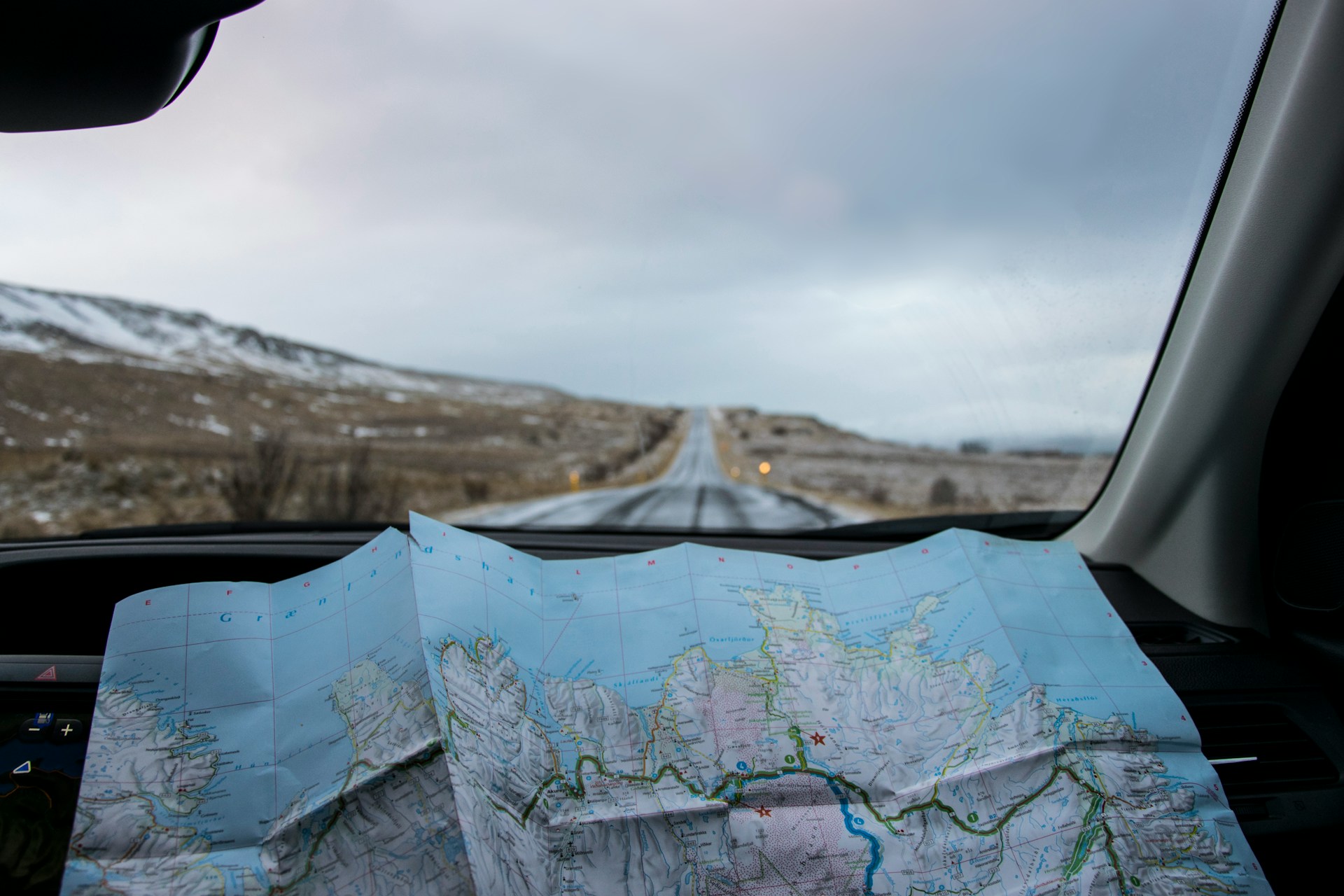
Photo by Matt Hardy
Pick The Right Wheels And Base Plan
Before you book anything else, decide what kind of roads you want to handle and match the car to that.
Ring Road pavement is smooth and watched year round, so a standard compact can work for summer loops. Highland tracks, marked F roads, call for high clearance and four wheel drive, plus real comfort driving on loose gravel.
The National Highway Traffic Safety Administration explains that lower speed and longer braking room save lives on icy roads.
- Match the car to the roads, not the photos.
- Watch the weather and have a backup route.
- Keep money aside for surprise costs.
- Treat nature with respect, not as a prop.
- Stay reachable and tell someone your plan.
Study insurance before you land, because gravel chips, high winds, and ash can cost more than the rental rate. Most renters add gravel cover and sand or ash cover, since even careful drivers catch flying stones near glacier plains.
Ask how fuel works, where to return the car, and who to call for help at two in the morning. That clarity keeps stress low after a long flight and during late night drives between small towns.
Set a realistic daily range, not just by miles, but by daylight hours and how often you plan to stop. Summer gives long light, yet you still get tired after gravel, wind, and cold rain breaks.
In autumn and early spring, darkness falls early, and stray sheep or black ice can sit in blind curves. Pick a sleep stop ahead of time, close to fuel and food, so you are not hunting tired at midnight.
Respect Iceland Weather And Your Budget
Iceland weather changes fast, and that can reshape your whole day, so check both forecast and road alerts each morning. Strong wind can shut mountain passes, and heavy rain can flood gravel tracks that looked fine an hour earlier.
Do not fight that change, just move your plan to safer ground, because police close roads for a reason. Bad calls in remote places turn small slips into search calls, and rescue teams already work hard every season.
Budget lines that travelers forget are fuel, food, and time, and time costs money when weather slows you down. Keep a small cash cushion for last minute guesthouse stops, hot soup, or snow tires, and protect that part.
Cards work almost everywhere, but rural fuel pumps and tiny cafes may want chip and pin, not phone tap pay. Carry that backup card in a dry pocket, not in your main pack, in case rain soaks your day bag.
Food costs jump in rural gas stations, so grab groceries in town before long drives, like bread, cheese, and fruit. Carry refillable bottles, since tap water in Iceland is clean and cold, so you do not need to buy plastic.
Most pools offer showers and lockers, which helps you clean up and reset after long dusty tracks. That hour in warm water can replace a pricey spa stop and keeps morale high on long drives in rain.
Stay Safe And Stay Reachable
Tell one person where you sleep each night and your planned route, then update that person if plans change. Save offline maps before you leave town, because patchy service is common once you pass the last village. Add a local sim card, keep one phone charged for contact, and carry a small battery pack in your jacket.
That prep turns car freedom into smart freedom, because help can reach you and you can ask for help fast.
Keep headlights on at all times, even during bright summer days, so approaching cars can read distance through mist. Use hazard lights or a reflector triangle if you need to pull over, and stand well off the road.
Skip photo stops in the driving lane, since sharp cross wind can shove passing cars across the center line. Smart road habits protect you, your rental car, sheep near the shoulder, and the next driver rolling through that bend.
Save the emergency number 112 in your phone and on paper, since cold fingers and wet screens slow you down. If you get stuck, stay with the car unless danger is clear, since a warm shell beats walking into fog.
Use hazard lights, wear bright layers, and watch for traffic while you work on signal or call for help. Cold wind drains heat fast, so pull on dry socks, gloves, and hat first, then deal with the tire.
Iceland nature looks wide open, but off road driving scars moss for decades and brings heavy fines from local police. Use marked pull offs or gravel lots and close farm gates behind you every time.
Keep food waste in the car until you find a bin, because birds and sheep pay for roadside scraps. Geothermal pools and hot springs ask for quiet voices and respect for locals using them to relax after work.
Wild camping rules in Iceland are tighter now near popular spots, and many areas allow tents only in marked campgrounds. Use official sites or paid farmer fields, and ask first, since that ground may be grazing land for sheep.
Stay on marked footpaths near waterfalls and cliffs, because worn soil breaks fast and can crumble under your boots. A careful step keeps fragile moss alive for the next traveler, and it also keeps you out of freezing water.

Photo by Matt Hardy
Travel Free, Travel Smart
Independent travel rewards you with quiet roads, slow breakfasts, and small talks with locals, but that freedom asks steady judgment. Pick the right car, read the weather, hold a budget cushion, and tell someone your plan every night.
Treat the land with care through leave no trace style habits backed by the National Park Service. Pack out trash, stay on marked ground, and leave warm pools and quiet valleys the calm shape you found them.