
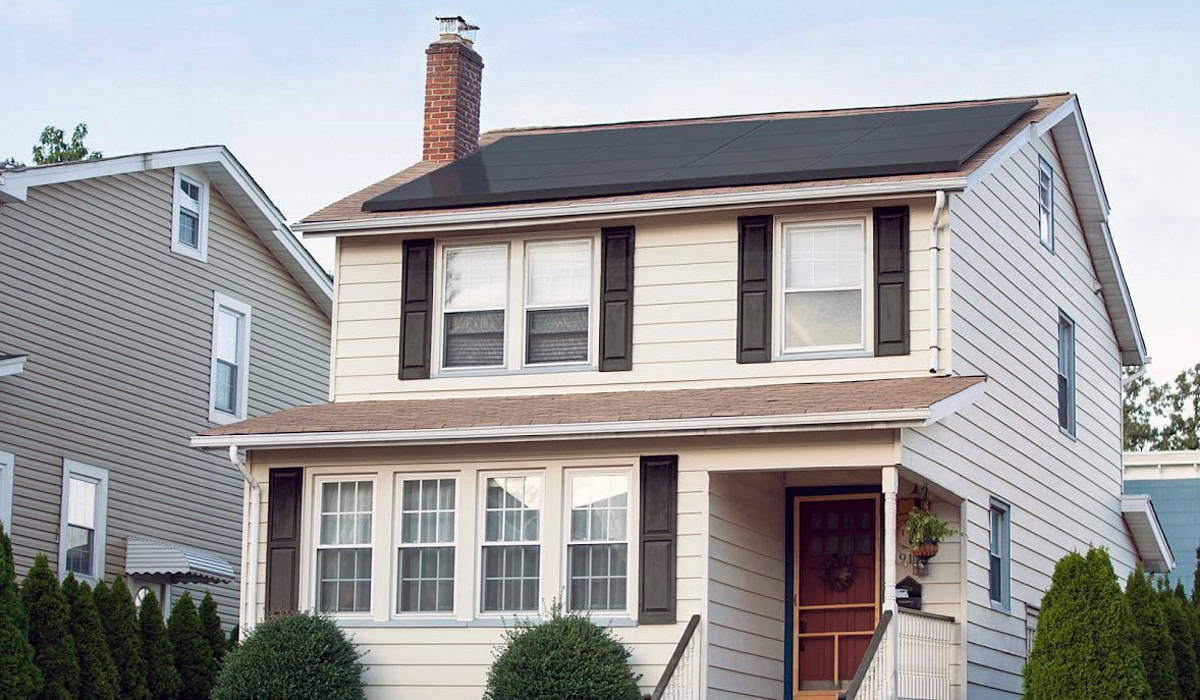
Returning home after a long trip should be a relief, not a chore. Yet, a stuffy bedroom and a high power bill can quickly ruin the welcome. Creating a restful, eco-friendly sanctuary pays you back every time you return with lower stress, smaller utility bills, and a lighter carbon footprint.
This guide focuses on two cornerstone upgrades: rooftop solar power and a sustainable mattress. We will explore how these changes can transform your home into a planet-friendly retreat. These adjustments will help you rest easier between adventures.
Harnessing the Sun – Residential Solar Basics
Harvesting sunshine from your roof is a powerful way to slash monthly costs and carbon emissions. Recent figures show that residential solar panels generated 37 million megawatt-hours in the U.S., and total U.S. solar capacity is enough to power over 22 million homes. Understanding your options is the first step toward energy independence.
Grid-Tied vs. Off-Grid: Which Suits Wanderlusters?
| Feature | Grid-Tied (Most Common) | Off-Grid (Full Independence) |
|---|---|---|
| Up-front Cost | Lower (no batteries required) | Higher (battery bank + charge controller) |
| Maintenance | Minimal; utility handles voltage regulation | DIY skills or service plan required |
| Travel-Friendliness | Excellent—utility acts as your “battery” | Good if you monitor remotely |
| Blackout Resilience | Goes down with the grid unless paired with storage | Operates independently year-round |
For most urban or suburban travelers, a grid-tied system paired with a modern battery backup strikes the right balance. This setup allows you to offset daytime use, bank credits while away, and still have power during nighttime outages.
Sizing & Cost Checklist (Plus 2024 Rebates)
Here is a quick look at potential sizing and costs to get you started.
- Starter array for a two-bed flat: 3–5 kW (≈9–15 panels)
- Average U.S. installed price: US $2.75 per watt → ~US $11–14K before incentives
- 30% U.S. federal tax credit (through 2032)
- EU travellers: Check country-specific VAT cuts and feed-in-tariff schemes
- Australia: STCs discount at purchase; some states add extra rebates
- Planning resources: Look for governmental homeowner guides to going solar and calculators from environmental protection agencies.
Installation & Maintenance While You’re Away
To ensure your system runs smoothly while you travel, consider these key features.
- Opt for a system with built-in Wi-Fi monitoring to see production data from anywhere.
- Pair panels with a lithium-ion storage unit like Sunrun’s compact solar battery backup, so your fridge keeps running during blackouts.
- Schedule professional cleanings twice a year, as dust can cut efficiency by 5–10%.
- Before long trips, set an email alert threshold in your monitoring app for any significant production drops.
| Key Insight: For most travelers, a grid-tied solar system with battery backup and Wi-Fi monitoring is the ideal setup. It maximizes savings while you’re away and provides essential power during local grid outages, offering the best of both worlds. |
Rest Easy – Choosing a Truly Sustainable Mattress
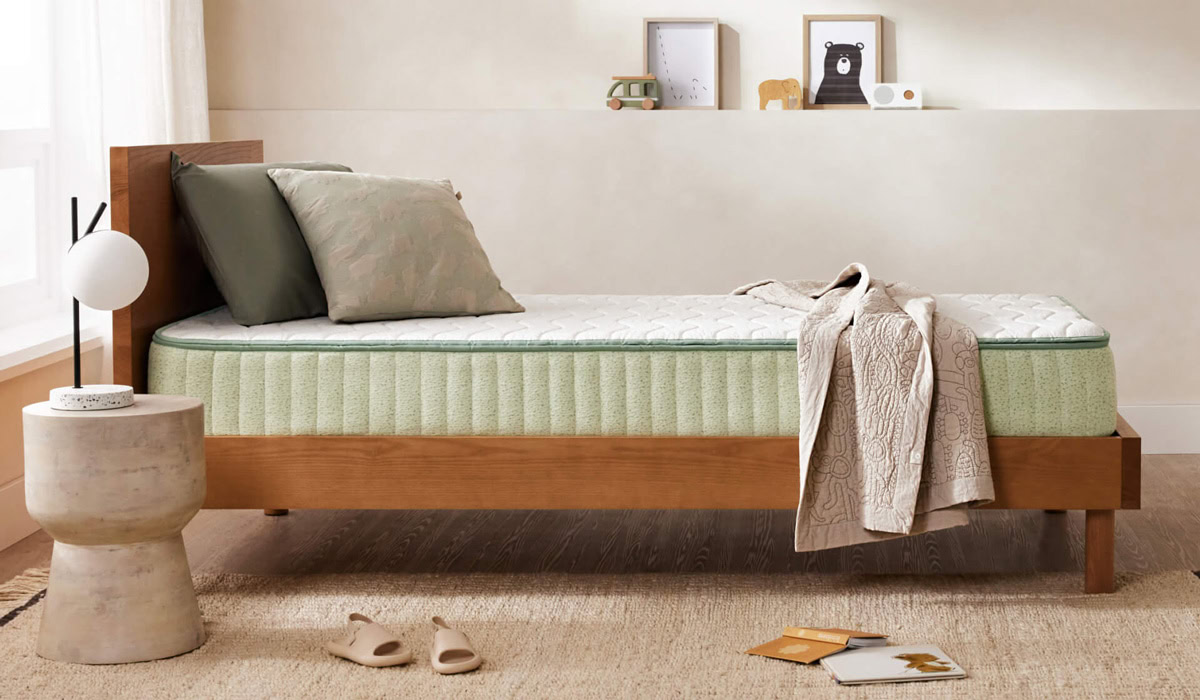
Photo from Koala
A solar array handles your energy consumption. Now, let’s address the mattress that might be affecting your sleep quality. Choosing a sustainable option ensures you rest on a healthier surface.
Certification Cheat Sheet
| Certification | What It Verifies | Quick Traveler Benefit |
|---|---|---|
| GOTS | ≥95% certified organic fibers, fair labor | No pesticide residues, kinder on sensitive skin |
| GOLS | Organic latex content & socially responsible production | Responsive support for tired muscles |
| CertiPUR-US | Low emissions (<=0.5 ppm formaldehyde) and no “forever chemicals” | Cleaner indoor air when you return |
Materials Breakdown
The materials inside your mattress are just as important as the certifications.
- Organic latex from rubber trees offers buoyant support and natural cooling.
- Hybrid designs add recycled-steel coils for airflow and resilience.
- Memory foam is pressure-relieving, but check VOC scores and plant-based percentages.
A bed with balanced firmness cushions the joints while keeping the spine aligned. For example, some options like Koala’s ultra-comfortable premium mattress option may offer extended trial periods and convenient delivery. This can be beneficial for those with busy travel schedules.
Goodbye, Lumpy Relic – Disposal & Recycling
When it’s time to replace your old mattress, responsible disposal is crucial.
- Roughly 50,000 mattresses hit U.S. landfills every day, so avoid adding to the pile.
- Use a national recycling locator service to find drop-off sites in your area.
- If selling, include the manufacturer’s date, as most charities won’t pick up items older than five years.
- In Australia, search for services that will collect and recycle up to 75% of materials for a small fee.
| Pro Tip: Don’t get lost in material details. Prioritize key certifications like GOTS and GOLS. They are your fastest guarantee of a mattress that’s healthier for you and the planet, ensuring a non-toxic and ethically made sleep surface. |
Design Your Sanctuary – Low-Impact Comfort Upgrades
You’ve nailed energy and sleep. Round out the space with passive design tweaks you can set and forget. These small changes add up to create a more comfortable and efficient home.
Passive Cooling & Natural Light
Simple adjustments can significantly reduce your energy use and improve comfort.
- Install reflective blinds on west-facing windows to save up to 30% on AC costs.
- Swap CFL bulbs for dimmable LEDs, with bonus points for solar-powered garden path lights.
- Repaint walls in low-VOC, light-reflective colors to reduce the need for lamps at night.
Indoor Plants that Thrive on Neglect
Certain houseplants are perfect for travelers as they purify the air and require minimal care.
- Snake Plant (Sansevieria) survives low light and filters benzene.
- ZZ Plant stores water in its rhizomes, perfect for month-long getaways.
- Peace Lily reduces mold spores but needs a fortnightly water check.
- Pothos adds jungle vibes and tolerates poor light.
- Rubber Plant absorbs CO₂ while you are away.
Non-Toxic Bedding & Décor
Extend your eco-friendly approach to the items you touch every day.
- Organic cotton or hemp sheets (GOTS-certified) wick moisture better than synthetic blends.
- Jute or recycled-plastic rugs add texture without off-gassing.
- Use VOC-free wood stains on nightstands to avoid lingering fumes.
| Key Insight: The most effective eco-upgrades for travelers are passive. Smart shades, LED lighting, and hardy indoor plants work automatically to save energy and improve air quality, ensuring you always return to a healthier, more efficient home sanctuary. |
Bonus Eco Upgrades for the Ambitious
If you are ready to take your eco-sanctuary to the next level, here are a few more ideas.
- Install a 205 L rain barrel; in most climates, it fills after two moderate storms.
- A grey-water diverter in the shower can feed your drought-tolerant garden.
- Smart energy monitors show appliance-by-appliance consumption to help gamify savings goals.
- Living roofs can cut summer temperatures, and 3-D printed walls can slash construction waste.
Putting It All Together
Picture this: you unlock the door after an overnight flight. Soft LEDs illuminate a room cooled by the day’s sunshine stored in your battery. The air smells fresh from your thriving plants, and you sink into a comfortable, eco-friendly mattress.
This reality is achievable and rewarding. Your choices can significantly reduce your home’s environmental impact. These changes can enhance your comfort while you are home.
Ready to build yours? Use this quick checklist to stay on track.
- [ ] 3–5 kW solar array sized and scheduled for install
- [ ] Battery backup chosen
- [ ] Certified organic or low-VOC mattress ordered, delivery timed
- [ ] Passive cooling upgrades (smart shades, LED swap)
- [ ] Two+ air-purifying plants positioned
- [ ] Recycling plan for old mattress & electronics
FAQ – Your Most Common “But What About…?” Questions
Q: What’s the payback period for a 5 kW grid-tied array with storage?
A: Without batteries, the payback period is typically 6–8 years in high-sun states. Adding storage can extend this by a couple of years, but you gain blackout resilience.
Q: I’m a side-sleeping backpacker – best firmness level?
A: A medium-firm (5–6/10) mattress is often recommended. Look for zoned support in the shoulders and hips, where latex hybrids tend to perform well.
Q: I rent. Any solar options?
A: Absolutely. Community solar programs are a great option, with projects located in 44 states, allowing you to subscribe to a local solar farm. You can also look into portable panels or discuss rooftop leasing with your landlord.
Q: Will removing the mattress cover void its warranty?
A: Most brands allow spot cleaning only, so check the care tags. Altering fire-retardant layers can cancel your warranty coverage.
The Path Forward
Creating a home that reflects your values does not have to be complicated. By focusing on sustainable energy and mindful rest, you build more than just a house; you create a sanctuary. Every journey home can now be a seamless transition into comfort and peace.