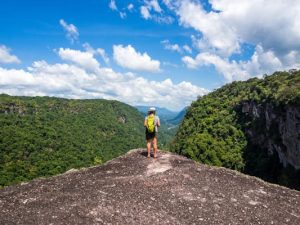

An alpine mountaineering trip brings together physical challenge, mental resilience, and a profound connection to the high-altitude landscape. Harsh terrain, rapid weather shifts, and exposed ridgelines create an experience that demands preparation and respect. Those who venture into these environments often seek growth through adversity and the reward of breathtaking views.
The success of any trip depends on planning, awareness, and a willingness to adapt to changing conditions. High-altitude areas offer beauty along with unpredictability, so careful decision-making matters. A balanced approach sets the stage for a safer and more fulfilling adventure.
Building the Right Foundation
Preparation begins long before entering the mountains because alpine environments challenge even the most experienced climbers. Training plans that develop endurance, strength, and stability reduce the shock of demanding ascents. Regular hikes, weighted climbs, and mobility work form a solid physical base.
Understanding altitude effects helps avoid unnecessary difficulty during the trip. Many climbers experience slower movement, reduced appetite, or disrupted sleep as elevation increases. These changes are normal, yet they are easier to manage with prior knowledge and gradual exposure.
A thoughtful foundation includes mental readiness. Controlled breathing, steady pacing, and calm decision-making provide valuable support when conditions grow tough. The mountain rewards those who approach it with patience, self-awareness, and respect.
Choosing a Suitable Route and Planning for Safe Ascents
Selecting the right route influences the tone of the entire mountaineering experience. Each alpine region offers paths that range from beginner-friendly to demanding, with steep couloirs, crevasse fields, and exposed ridges shaping the challenge. Matching a route to current ability prevents unnecessary risk and allows room for learning.
Route selection encourages research into seasonal patterns. Early summer may bring melting snowpacks and unstable surfaces, while late-season ice creates different technical requirements. These shifts highlight why careful study of conditions improves both safety and enjoyment.
Many climbers refine their skills by combining personal research with structured guidance. It becomes easier to progress at a comfortable pace once a plan includes resources such as a Mont Blanc summit course as a reference point in training discussions, helping climbers understand technical expectations before committing to a major route. Exploring information from guides, maps, and recent trip reports supports clear decision-making and offers insight into potential hazards ahead.
Mastering Gear Choices for Varied Alpine Conditions
Alpine environments demand gear that balances durability, insulation, and mobility. Layered clothing systems help regulate temperature during strenuous climbs and rest periods, preventing sudden cold from becoming a distraction. Each layer should work together to maintain comfort without restricting movement.
Footwear plays a significant role in safety. Mountaineering boots with stiff soles offer stability on icy or rocky terrain, while crampons enhance traction on steep slopes. The right combination supports confidence during technical sections.
Tools such as ice axes, helmets, harnesses, and ropes create a lifeline in exposed areas. These items must be checked thoroughly before the trip to ensure reliability. Careful gear selection forms a practical safeguard during unexpected challenges.
Weather Patterns and Navigating Changing Conditions
Weather in high-altitude terrain changes rapidly, turning clear skies into storms with little warning. Learning to read cloud formations, wind direction, and temperature shifts adds an important layer of awareness to any climb. This knowledge helps determine when to continue upward or when to retreat for safety.
Storm fronts may bring heavy snow, lightning, or sudden drops in visibility. These conditions can transform simple sections into dangerous obstacles within minutes. Recognizing early signs gives climbers time to adjust their plans before risks escalate.
Preparation includes packing navigation tools such as maps, compasses, and GPS devices. Batteries and signal strength can sometimes fluctuate in cold or remote regions, so traditional navigation skills retain equal value. A measured approach to weather improves safety and enhances the mountaineering experience.
Right Pace and Energy Throughout the Trip
Maintaining a steady pace prevents exhaustion and reduces the likelihood of altitude-related issues. Quick bursts of energy are tempting, yet they often lead to early fatigue. A gentle, continuous rhythm allows the body to adapt more smoothly to steep terrain.
Hydration and nutrition form another cornerstone of energy management. High altitude often suppresses appetite, yet the body requires fuel to perform efficiently. Simple meals, snacks, and warm drinks help sustain strength during long hours of climbing.
Rest breaks offer an opportunity to assess surroundings and regroup mentally. These pauses create space for adjusting layers, checking gear, or observing weather developments. A well-paced trip fosters stability, efficiency, and a clearer mind during demanding sections.
https://www.pexels.com/photo/man-in-mountains-at-sunset-17370942
Strengthening Teamwork and Communication
A strong team dynamic enhances safety and comfort throughout an alpine trip. Clear communication allows climbers to coordinate pace, route decisions, and responses to unexpected situations. Mutual support creates confidence in challenging areas where coordination becomes vital.
Team members often bring different strengths to the journey. Some excel at navigation, while others remain attentive to weather patterns or equipment checks. This blend of skills supports smoother movement along the route.
Shared decision-making ensures that all voices are considered. When climbers feel comfortable speaking up about concerns or fatigue, the group navigates risks more effectively. This cooperative spirit strengthens the experience and helps maintain safety from start to finish.
Alpine mountaineering invites adventure that pushes boundaries while shaping resilience. With the right approach, the trip becomes more than a physical challenge. It becomes an opportunity for growth, reflection, and meaningful connection with the mountain environment.