Cusco hits you fast. The light feels sharp. The streets feel ancient. And the views feel unreal. You’ll hear church bells, street vendors, and footsteps on stone. You’ll also notice something else within minutes. Your breathing changes.
That’s the magic and the challenge. Cusco sits high, and it asks you to slow down. If you do, you’ll get a richer trip. You’ll see vibrant traditions, bold flavors, and buildings where Inca stonework sits beneath later designs.
This guide shows you how to plan smart, feel good, and experience more than a quick stop on the way to Machu Picchu.
Getting There and Getting Around
Most travelers fly into Alejandro Velasco Astete International Airport (CUZ). It’s close to town, so the ride to the historic center is usually quick, depending on traffic.
In the center, walking works best. Streets are tight. Many corners are steep. Sidewalks can be uneven, too. So wear shoes with grip, not slick soles.
For longer hops, use licensed taxis arranged by your hotel or picked up at official spots. If you book tours, many include pickup. That can save your energy, especially on your first day.
When to Visit
Cusco has two main travel seasons.
- Dry season (May to September): This stretch brings clearer skies and cooler nights. It also brings bigger crowds, with June highlighted by the Inti Raymi celebration on the 24th.
- Rainy season (November to March): This season can still be rewarding because you’ll see greener hills and fewer tour groups. Still, trails can get muddy, and plans may shift due to weather.
If you want a middle path, aim for April or October. You often get decent weather and a calmer feel.
Altitude and Acclimatization
Cusco sits at about 11,150 feet above sea level. Even if you’re healthy, you might feel the effects, such as headaches, fatigue, or shortness of breath, within hours of arriving.
The Cusco elevation can throw off your plans if you don’t ease into it. Choosing a tour package with comfortable lodging, flexible timing, and gentle activity on the first day can make the adjustment easier and the rest of your trip more enjoyable.
Start with gentle walking instead of hikes, drink water often, eat light meals, and avoid alcohol early on. Once you feel steady, you can try coca leaf tea, a traditional drink commonly served in cafés and hotels. Save tougher outings for later so you can enjoy them.
Where to Stay
Cusco’s neighborhoods each give you a different trip.
- Historic Center: You’ll be close to the main square, major churches, and museums. It’s convenient. It can be loud at night.
- San Blas area: You’ll get a quieter vibe and great views. But it’s uphill, and the climb feels harder at altitude.
- Sacred Valley towns: These sit lower than Cusco, which can feel easier on your body early on. They also put you closer to some day trips.
Book ahead if you travel in peak dry-season months. Availability tightens fast.
What to Eat and Drink
On Day 1, keep food simple. Altitude can mess with your appetite. After you settle, you can explore more boldly.
For a real local pulse, visit San Pedro Market. It’s Cusco’s main food market, and Peru’s official tourism site highlights it as a can’t-miss spot for regional products and everyday flavors.
Beyond the market, you’ll also find restaurants that turn classic Peruvian dishes into something special. Try ají de gallina, causa rellena, or rocoto relleno. These dishes are bold, comforting, and full of local flavor. Native corn and potatoes also take center stage, from papa a la huancaína to grilled choclo with Andean cheese.
If you want a focused tasting experience after you’ve acclimatized, stop by Museo del Pisco for cocktails. You can sample Peru’s classics like the Pisco Sour, a frothy mix of pisco, lime, and bitters, or the lighter Chilcano with ginger ale and lime. For a non‑alcoholic option, Chicha Morada offers a sweet blend of purple corn, pineapple, and spices.
What to See in Cusco
Cusco is full of contrasts. Inca stone walls line the streets, still holding strong after centuries, while Spanish-era churches and colonial buildings rise above them. This layered architecture is part of what makes the city so visually striking and historically rich.
Start at the main square, then branch out to these must-see spots:
- Plaza de Armas: The city’s central hub, framed by colonial arcades, historic churches, and plenty of spots to sit and take it all in. It’s the perfect place to get your bearings.
- Qorikancha Temple: Once the most important temple of the Inca Empire, dedicated to the sun. You’ll see precise Inca stonework beneath the structure known today as Santo Domingo Church.
- Cusco Cathedral: A grand example of Spanish religious architecture. Inside, you’ll find ornate altars, colonial paintings, and subtle traces of Andean influence.
- Sacsayhuamán Fortress: Known for its massive stones and panoramic views over Cusco. It served both defensive and ceremonial purposes during the Inca Empire.
- Cusco Museum: A good place to connect the dots between what you’re seeing around town and the deeper history behind it. Exhibits cover both pre-Columbian and colonial periods.
As you explore, watch for the way Inca and Spanish elements meet in stonework, building shapes, and the layout of the city itself. Each site adds another layer to Cusco’s story.
Day Trips Worth Your Time
Cusco makes a great base for exploring the surrounding region. You don’t have to go far to find ancient ruins, scenic valleys, or high-altitude adventures. These day trips add variety to your stay and help you experience more than just the city center.
Here are some standout options:
- Sacred Valley of the Incas: A must for most visitors. This region includes Pisac, Ollantaytambo, and Moray, each with its own ruins, markets, and mountain views. Go early, bring layers, and take your time. The mix of altitude and winding roads can be tiring.
- Puka Pukara: A smaller Inca site just outside the city. It offers fewer crowds, open views, and easy access as part of an afternoon archaeological outing.
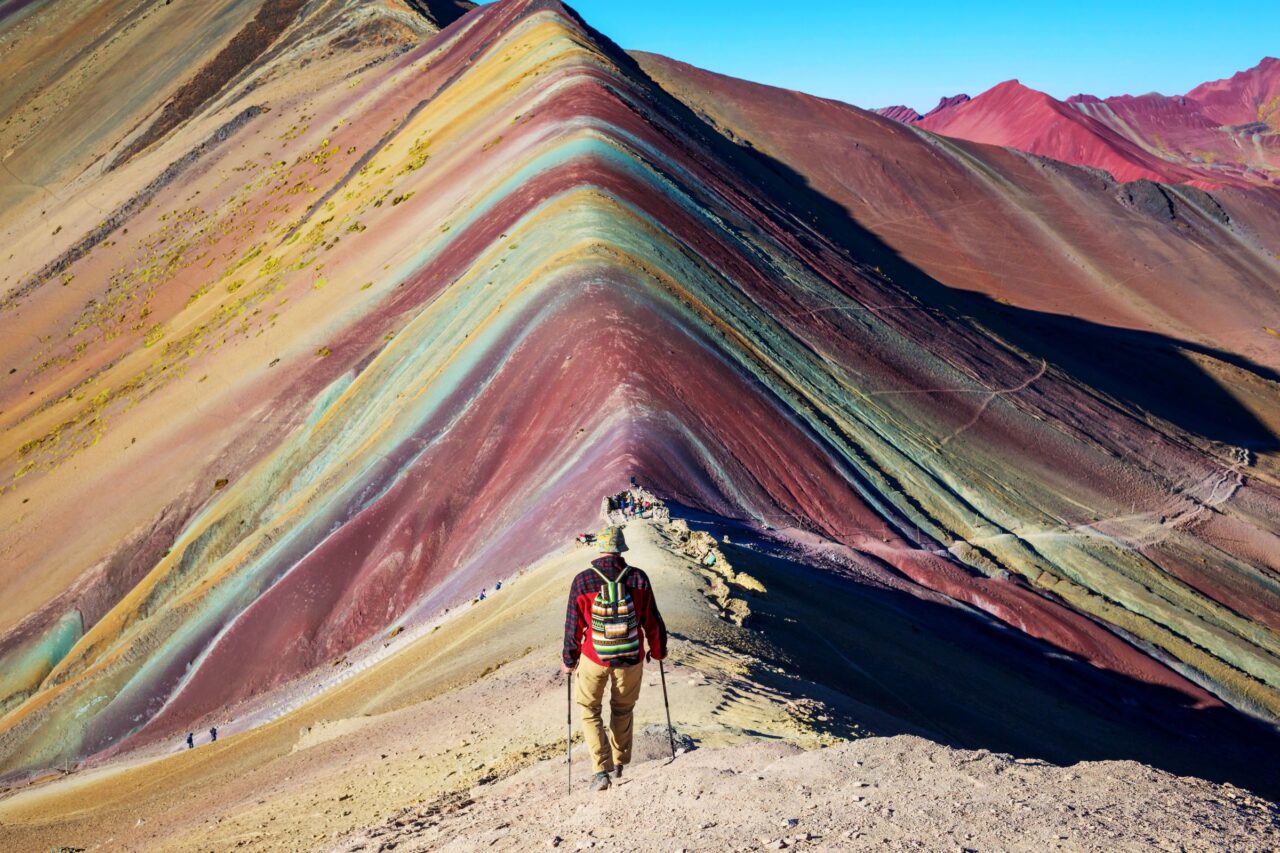
- Rainbow Mountain: A demanding but stunning hike above 16,000 feet. Known for its layered colors and wide, open landscapes, this one’s best saved for later in your stay.
- Inca Trail: The iconic multi-day trek to Machu Picchu. If you’re planning to hike it, permits are limited and sell out fast. Book well in advance through an authorized provider.
Each of these trips offers something different, from easy scenic drives to high-altitude hikes. Choose based on your energy level and how much time you have.
Culture Tips That Make You a Better Guest
Cusco is more than a historic city. It’s a place where people live, work, and carry on traditions shaped by centuries of Andean culture. A little respect goes a long way.
- Ask before taking photos: Especially of people in traditional dress. Many are happy to be photographed, but it’s courteous to ask first, and tipping is often appreciated. It’s a simple way to honor cultural boundaries.
- Pay fairly in local markets: Bargaining is part of the experience, but artisans invest time and skill into their work. Whether it’s weaving or jewelry, treat it as craftsmanship, not just merchandise.
- Be mindful in sacred places: Many churches, temples, and Inca ruins still hold spiritual meaning. Keep your voice down, stay on marked paths, and avoid touching or climbing on structures.
As you move through Cusco, you’ll feel the legacy of the Inca civilization in both the landmarks and the everyday rhythm. Visit with awareness, and the city will open up in deeper ways.
Final Thoughts
Cusco rewards you for slowing down. Between the altitude, the history, and the everyday rhythm of the city, it invites you to look more closely and move with intention.
Walking through its streets means engaging with a living heritage shaped by an ancient civilization and carried forward in daily life.
Give yourself time to take it in. When you travel with respect and curiosity, Cusco becomes more than a stop. It becomes the part of your journey you remember most.