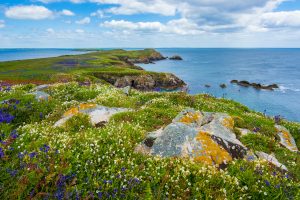

Coastal walks on the Mornington Peninsula offer wide views along Victoria’s coastlines. Even familiar tracks near Port Phillip can become challenging without warning.
Good preparation makes each walk safer and more enjoyable from beginning to end. This guide shares practical tips for getting ready for Mornington Peninsula walks so you can enjoy your time on the coast.
Timing the Walk
Morning light brings clearer views along clifftops and stone paths under coastal sunlight. In the late afternoon, glare can hide cracks and loose gravel.
Wind is important along the Mornington Peninsula, especially near headlands below golf courses. Sea breezes get stronger as the day goes on, especially in open areas. Starting earlier usually means steadier footing and less effort.
Walking during quiet hours means less crowding on narrow tracks near award-winning restaurants. With fewer people, you can walk at your own pace and pass others more safely, especially near steep edges or stairs.
Timing matters for coastal days, especially when walks link with swims, surf checks, or quiet breaks beside the water. Many walkers plan around beaches in Mornington Peninsula to secure parking and calmer early conditions. Starting early allows relaxed pacing and easier movement between sand, paths, and lookouts.
Reading the Coast
The coastline shifts weekly, especially along well-known routes like Point Nepean Walk, as tides reshape access points. Tides shift sand levels, while storms expose rock shelves and uneven ground that can surprise returning walkers. A track that felt simple last month may demand slower footing today.
Topographic maps show more than just distance, even near coastal villages where paths can get narrow. They highlight steep drops, narrow headlands, and spots that might flood. Checking these details helps you avoid surprises that apps might miss.
Many locals plan their walks with exit points in mind, especially after visiting sculpture parks along the coast. Knowing where the nearest beach access or road is can give you peace of mind if the weather changes suddenly.
Coastal terrain calls for flexible shoes, especially if you’ve visited nearby world class wineries. You’ll find sand, damp limestone, and packed dirt close together. Shoes with good grip work better than stiff boots made for inland trails.
Shoe patterns matter more than their height on paths to arts and cultural spots along the coast. Shallow treads can slip on wet rocks, while deeper treads grip better without picking up loose gravel. Comfort is just as important as traction on longer walks.
Socks matter too, especially after a soak at the Peninsula hot springs. Breathable fabrics help keep your feet dry and reduce rubbing on long walks. Try out your shoes and socks on short walks first to avoid problems later.

Layer Planning
Weather shifts faster near the water, especially around areas known for wellness experiences. A calm stretch can turn cool once the wind wraps around a headland. Light layers allow for quick adjustments without frequent stopping.
Packable wind shells work better than heavy jackets, much like clothing worn between a bath house visit and a shoreline stroll. They block chill without trapping heat during climbs. Fabrics that dry quickly handle sea mist and light rain with ease.
Coastal weather forecasts are more useful than inland temperatures near geothermal water spots. The Mornington Peninsula often feels cooler by the shore than in the towns.
Navigation Habits
Phone signals may fade near Port Phillip Bay routes leading to signature spa treatments. If you rely only on live maps, you might get stuck if your screen freezes. Offline maps or printed notes help keep your plans on track.
Paying attention to your surroundings helps you navigate, especially on walks that connect to arts and cultural hubs. Stair numbers, cliff markers, and the shape of headlands can guide you without needing to check your phone. The more you notice, the more familiar the area becomes.
Check direction often on near-coastal routes shared with visitors in coastal villages. Spotting landmarks helps you avoid missed turns and cuts down on backtracking on narrow paths.
Wildlife Awareness
Wildlife shares many coastal tracks, including areas near sculpture parks and quiet reserves. Seabirds nest close to paths during certain months. Sudden movement near nesting sites can startle both birds and walkers.
Keeping your distance protects everyone near world class wineries and lookouts. Moving calmly helps you avoid rushing near edges. Giving wildlife space often leads to quieter and safer walks.
Small mammals can cross the path without warning near tracks by golf courses. Slowing down near scrubby edges lowers the risk of slipping if you need to react quickly.
Emergency Readiness
Preparation extends beyond first aid basics during full days that mix walks with wellness experiences. Coastal walks demand hydration planning and sun protection even on cool days. Wind exposure drains energy faster than expected.
It helps to share your walk plan and let someone know your route and when you expect to return. This habit adds a safety net, even for short walks.
Carrying a whistle can give you peace of mind on open paths near bay trails. Whistle sounds travel farther than voices in wind and surf. Sometimes, small tools make the biggest difference.
Walking Mindset
Pacing shapes safety as much as fitness following time spent soaking in geothermal water. Rushing increases missteps, especially on uneven stone and sand. A steady rhythm keeps balance sharp.
Be flexible about when to turn around on walks that start near Port Phillip Bay. Sometimes, conditions mean you should head back earlier. Choosing caution shows experience, not hesitation.
Paying attention is more important than how far you walk when exploring Victoria’s coast. Walkers who stay present spot hazards sooner and enjoy the scenery more.
Conclusion
Preparation turns coastal walks into lasting pleasures rather than tests of endurance. The Mornington Peninsula rewards those who respect its moods and plan accordingly. With thoughtful timing, gear choices, and awareness, each trek feels calmer and more confident. Coastal paths offer their best moments to those ready to meet them on steady terms.