

Ever watched a family completely fall apart at the airport? Both parents look like they’ve aged a decade overnight while three kids scream about snacks and missing toys. It happens more often than anyone wants to admit. The rental car situation goes sideways, the reserved vehicle gets given away, and suddenly you’re trying to cram a family of five into a sedan that barely holds the luggage.
The difference between those disaster trips and the smooth ones usually comes down to what happens weeks before anyone packs a bag. A handful of smart decisions made early can completely change how the whole experience unfolds.
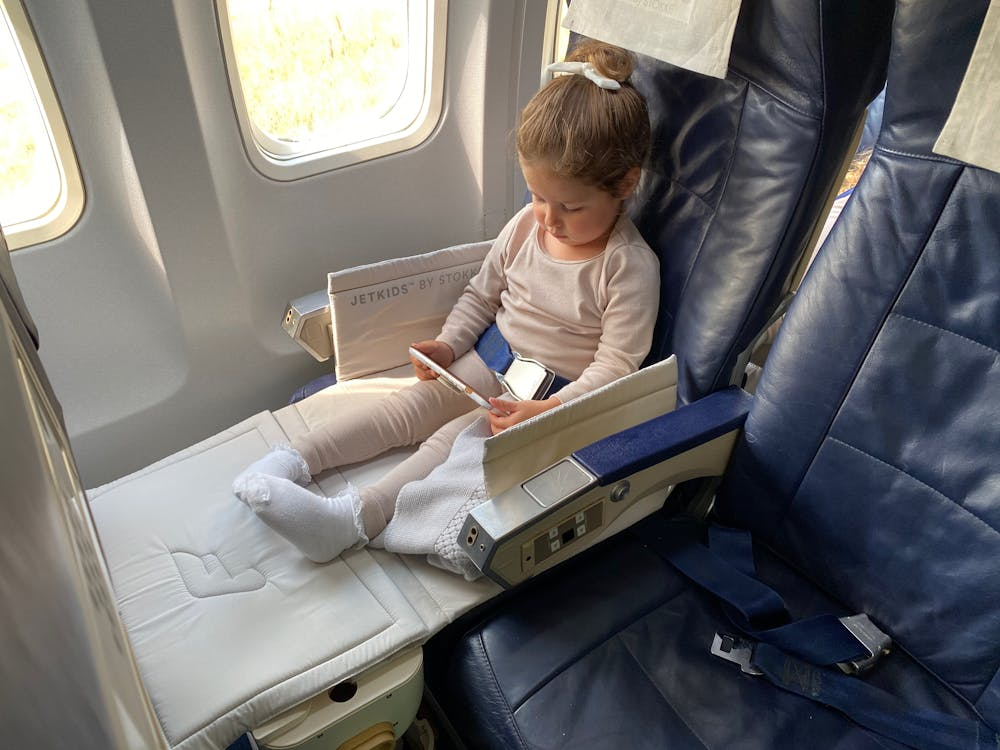
Photo by Rahul Singh
Book Your Vehicle Early
Too many families book flights and hotels but leave the rental car until they arrive. That approach backfires fast. You end up with whatever’s left at the counter, paying premium prices for a vehicle that’s too small. The stroller won’t fit right, luggage gets stacked on laps, and everyone starts the trip already frustrated.
Booking weeks ahead solves most of these problems. For Australian families planning trips, getting a business car rental with East Coast provides better rates and complimentary upgrades that can turn a cramped situation into a comfortable ride. The free cancellation policy becomes incredibly valuable when kids get sick right before departure. Last-minute fevers and stomach bugs happen all the time, and flexible terms mean you’re not losing money over something completely out of your control.
Reserve car seats through the rental company during the initial booking. Dragging those bulky safety seats through airports ranks among the worst parts of family travel. Most companies have them ready and waiting when you arrive. Read cancellation policies carefully too because children get sick at the absolute worst times possible.
Pack with Purpose
Random packing creates predictable chaos. Everything gets mixed together in multiple bags. When someone has an accident or spills something, you’re frantically digging through suitcases while other kids get restless and whiny. What should take two minutes stretches into fifteen because nothing’s organized.
A clear system prevents most of that drama:
- Each family member gets their own designated bag so you’re not searching through everyone’s clothes looking for one specific shirt
- One easily accessible bag holds immediate necessities including snacks, wipes, medications, entertainment items, and complete backup outfits for everyone
- Brand new toys or activities keep kids occupied far longer than familiar items they play with at home
- Extra clothes for parents belong in the accessible bag because spills and accidents don’t just happen to children
The CDC recommends traveling with basic medical supplies like pain relievers and antihistamines. Finding an open pharmacy in an unfamiliar area at night becomes way more stressful than it needs to be. Having supplies on hand prevents those emergency searches.
Work with Natural Routines
Fighting against children’s established sleep and meal patterns creates problems that ripple through entire days. That super early flight might save money, but waking kids hours before their normal time turns them into cranky disasters. The “savings” gets eaten up by the misery of managing overtired children who melt down over everything.
Booking around existing schedules works better when possible. Some families do well with overnight flights where kids sleep through travel. Others find afternoon departures less chaotic because everyone’s awake and fed on a normal schedule.
Pick Departure Times That Make Sense
Early morning flights look appealing on paper. Lower fares, smaller crowds, and arriving with a full day ahead sounds perfect. But getting young children up at 4am rarely goes smoothly. Sleep deprivation affects how kids handle stress and new situations. Pediatricians consistently point out that maintaining somewhat regular sleep patterns helps children regulate emotions better.
Stay Ahead of Hunger
Hungry kids lose all sense of reason. Sweet children turn into irrational tiny humans who simultaneously claim they’re starving while refusing every food option offered to them. Avoiding this requires planning:
- Protein-heavy snacks keep kids satisfied longer than crackers and juice boxes that just delay the inevitable energy crash
- Stop for real food before anyone mentions being hungry because once they hit that point the situation’s already deteriorating
- Time hotel arrivals around regular nap schedules so children might rest while adults handle unpacking and settling in
Tourist area restaurants move at glacial speeds. Waiting 45 minutes for basic meals while children systematically dismantle table decorations and disturb nearby diners happens frequently. Having substantial snacks available prevents these scenarios.
Choose Space Over Savings
Standard hotel rooms designed for couples become uncomfortably cramped with children and gear. Car seats block walkways, strollers consume floor space, and everyone’s constantly in each other’s way. The lack of personal space creates tension that wouldn’t exist in a larger area.
Vacation rentals with separate sleeping areas change the dynamic completely. Children go to bed at normal times while adults get evening hours to themselves. Full kitchens cut food costs significantly and eliminate the stress of forcing picky eaters to accept restaurant menus. Kids who happily eat plain pasta at a rental will reject every pasta option at restaurants.
Properties with outdoor space give children somewhere to burn energy safely. Private yards or patios mean they can be loud and active without disturbing other guests. Look for rentals that include cribs, high chairs, and safety gates since traveling with that equipment adds unnecessary bulk and hassle.
Add Buffer Time Everywhere
Tight schedules with children are fantasy planning. Kids move at their own pace regardless of how much rushing happens around them. They need bathroom stops at inconvenient moments. They stop to examine every interesting rock or flower along the way. They remember forgotten items right as you’re pulling away.
Building in massive amounts of extra time prevents most stress. If GPS estimates twenty minutes, plan for forty-five or fifty. That cushion absorbs the unexpected without triggering panic mode. Forgotten stuffed animals, surprise traffic, or last-minute bathroom needs get handled without derailing everything.
Schedule deliberate downtime into each day rather than racing between activities. Tourist attractions exhaust children faster than most parents anticipate. Research shows that excessive stimulation makes it harder for children to process new experiences and often triggers behavioral problems. Quiet hours help everyone reset and improve how the rest of the day goes.
Leave intentional gaps in itineraries instead of booking every available hour. Open time means lingering when kids are genuinely engaged rather than dragging them away because of rigid commitments to the next scheduled activity.

Photo by Tim Gouw
What Actually Works
Family travel requires significantly more advance planning than adult trips. But the investment pays off in shared experiences and memories that last well beyond the vacation itself. Families who handle this well aren’t blessed with unusually cooperative children. They just plan transportation early, pack systematically, respect established routines when possible, secure adequate space for everyone, and build in flexibility for when things don’t go according to plan.
These five strategies provide a solid foundation. Every family operates differently, so what works perfectly for one household might need adjustments for another. Children at different ages and developmental stages require different approaches.