
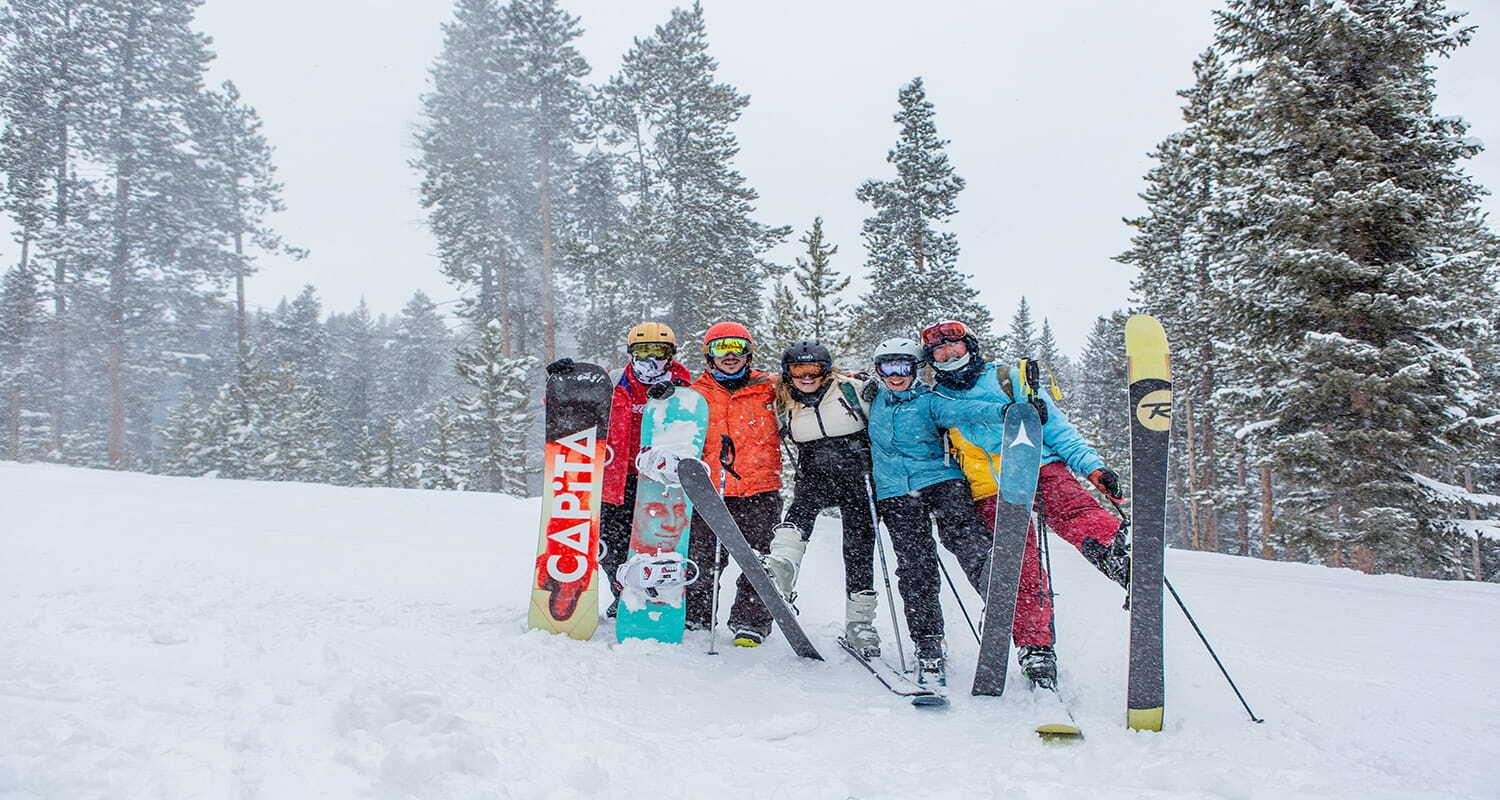
Short ski breaks have become one of the easiest ways for schools and groups to enjoy a proper winter holiday without committing to a full week away. They are easier to fit around busy schedules, more manageable for organisers, and still give everyone enough time to enjoy the slopes, the resort, and the whole group experience.
That is what makes them work so well for school trips, friendship groups, youth groups, and anyone planning travel with more than a few people involved. In this guide, we’ll look at why shorter ski holidays have become more popular, how much beginners can realistically learn, and what makes ski breaks such a strong choice for group travel.
Why Short Ski Breaks Are Suddenly More Popular
A full week away is not always the easiest sell anymore. For schools and groups, shorter breaks can feel more realistic from the start, especially when dates, budgets, and first-time skiers are all part of the planning.
- They Fit More Easily Around Busy Schedules
A full week away is a lot. Schools have dates to work around, parents have budgets to think about, and groups usually have at least one person who cannot make the same week as everyone else. Planned short ski breaks can make the part easier, because the trip does not need to take over the whole week.
- They Feel More Manageable for Organisers and Parents
Group travel always comes with moving parts, from transport and accommodation to equipment and lessons. Keeping the trip shorter can make the planning feel more controlled, especially for organisers handling several people at once.
- Groups Still Get a Proper Ski Holiday Experience
A short break does not have to feel rushed. With a clear plan, groups can still enjoy lessons, slope time, resort life, and the shared feeling of being away somewhere completely different.
Can Beginners Learn During a Short Ski Break?
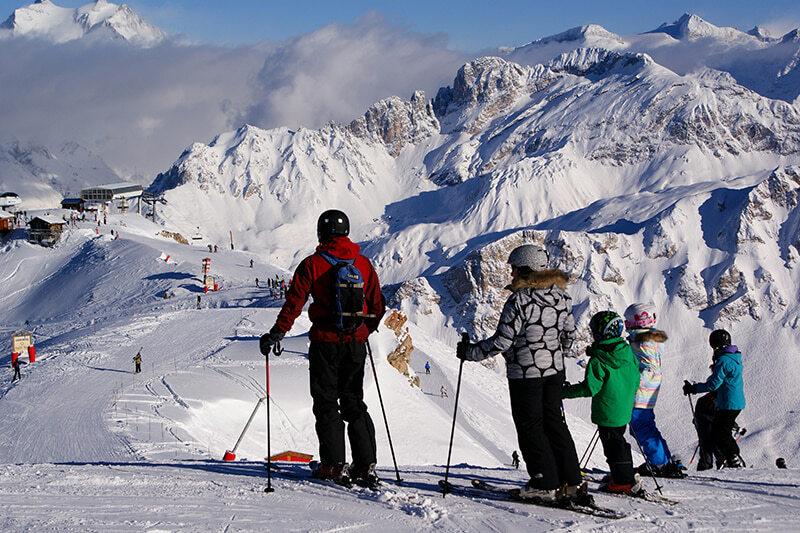
This is one of the first things people wonder before booking a short ski break. If someone has never skied before, can a few days really be enough?
In most cases, yes.
Beginners often pick things up faster once they are on the slopes every day, especially with lessons built into the trip. The first day is usually spent on the basics: clipping into skis, learning how to stop, getting used to the boots, and trying not to tense up every time the slope tilts. After a couple of lessons, it starts to feel less unnatural.
For beginners, organised trips for schools can take some of the pressure off. Lessons are already part of the plan, the group moves at a set pace, and students are not left trying to work everything out by themselves.
What Makes Ski Trips Different From Other Group Trips?
Most group trips are built around where you are going next. With skiing, the day is more about getting ready, getting out, and slowly finding your feet on the snow. Everyone is learning, moving, getting tired, and figuring things out together.
That shared challenge changes the mood of the trip. Beginners usually start off nervous, stronger skiers learn to be patient, and the whole group ends up spending more time together than they probably would on a normal holiday. Even small routines, like getting ready for lessons or meeting after a day on the slopes, become part of the experience.
Making Ski Holidays Simpler to Organise
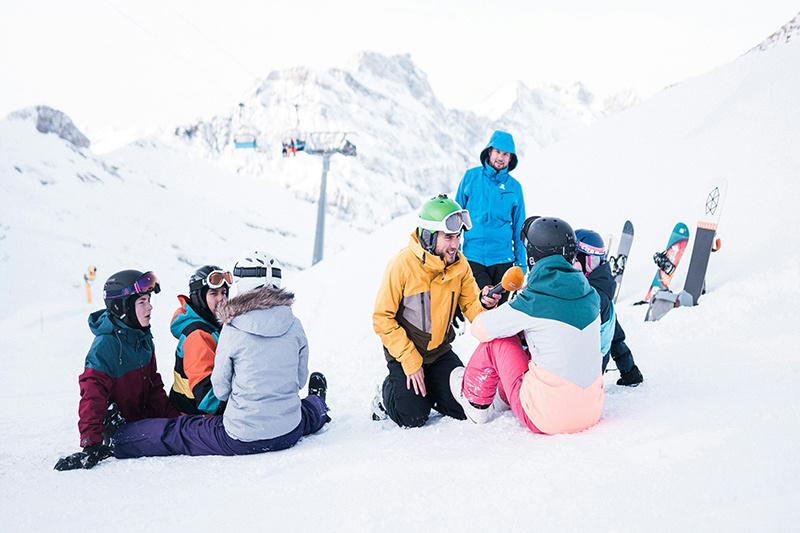
With group ski holidays, the small details are usually what cause the stress. Who needs ski hire? Who is in which room? Are the lessons booked? Does everyone know where they need to be in the morning?
Sorting those things early makes the trip feel much less chaotic, especially when beginners or younger travellers are involved.
The resort choice matters too. A group needs more than good slopes. Beginner areas, clear meeting points, and accommodation close to the lifts can save a lot of hassle once everyone is there.
This is where planned short ski breaks can help. If the main parts are already tied together, organisers are not trying to chase every booking separately. That alone can make the trip feel easier to manage.
Why Short Ski Breaks Work So Well for Groups
Short ski breaks work because the trip has just enough time to build its own little routine. The first day is usually about getting settled, sorting equipment, and finding out how everyone feels on the snow. By the next day, the group already has stories to talk about, even if half of them involve someone losing balance or taking too long to get their boots on.
That is the part people tend to remember. Not just the skiing itself, but the mornings, the meals, the tired legs, and the feeling of doing something different together.For schools, clubs, friendship groups, or larger travel parties, that balance is what makes a shorter ski break worth considering. It gives the group enough of the mountain experience without making the whole trip feel too long, too expensive, or too difficult to organise