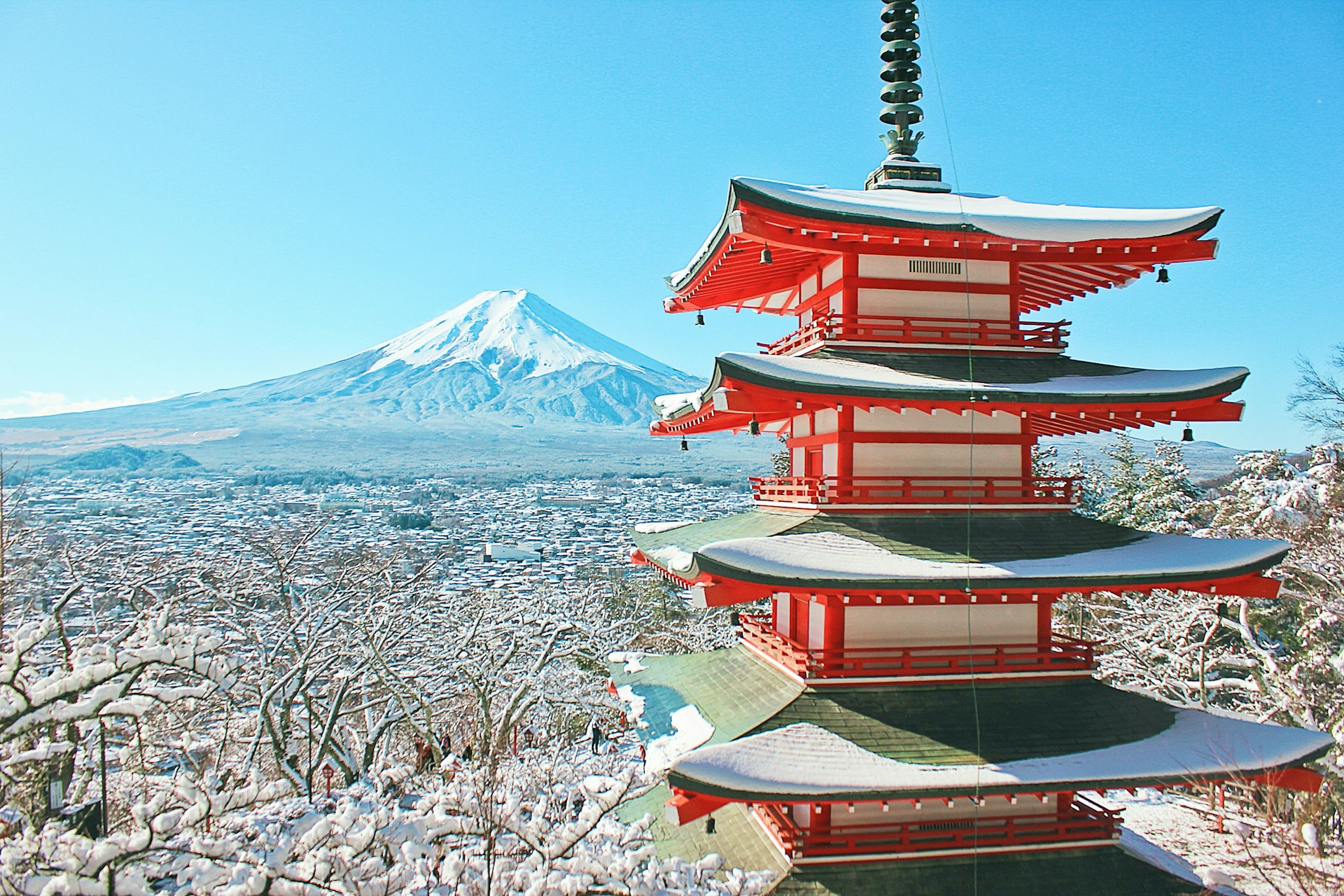
Once you visit Japan, you’ll surely remember it as a trendy, modern snow resort. It has everything you need to truly enjoy winter: bottomless snowdrifts, high-quality resorts, and a multitude of snow activities. Japanese snow, endearingly nicknamed “Japow,” is legendary. It’s light, dry, crunchy, and abundant. By purchasing good travel insurance for snowboarding in Japan, you can ensure your safety and well-being even on steep mountain slopes. Health matters especially if you plan some sport activities.
However, Japan’s popularity isn’t just about skiing. It offers plenty of opportunities for a cultural and exciting vacation.
Convenient logistics and incredibly friendly locals are also worth mentioning. We’d also like to highlight the delicious cuisine available in both big cities and cozy mountain villages.
Let’s explore the key elements of an unforgettable vacation: locations, their advantages, and seasonality.
Choosing the Perfect Snowboarding Region
In our opinion, the most crucial advantage is the variety of mountain slopes. Here you can find areas for skiers of all levels, including beginners. Three main skiing destinations are Hokkaido, Nagano, and Tohoku.
Let’s take a look at what these three main destinations have to offer:
- Hokkaido. Here you’ll find consistent fresh snow and perfect slopes. Hokkaido is experiencing record-breaking snowfall, and the snow is dry and light. Popular resorts in the region include Niseko, Rusutsu, and Furano. This location is sure to please experienced riders, freeriders, and lovers of nature and wide open spaces.
- Nagano. The region stands out for its accessibility and diversity, and is the most popular on Honshu Island. It’s easily accessible from the vast city of Tokyo. There are many hotels and significant elevation changes. You’ll find resorts to suit every budget here. A special bonus is that you can reach it via a scenic route on high-speed Shinkansen trains. The region is suitable for families and groups of all skill levels.
- Tohoku is a resort for those seeking a quieter getaway. Situated away from the bustling and famous resorts, you can enjoy all the same amenities, but in a more tranquil setting. Among its advantages are the authenticity of Japanese nature, varied slopes, and the unique charm of the villages. This resort is suitable for those seeking a mid-income vacation and a getaway in touch with nature.
As you can see, everyone will find a vacation in Japan to suit their tastes. The key to visiting the mountain slopes is having the proper insurance, which will help you if you sustain any injuries. Remember that the medicine service in Japan is one of the best in the world.
Selecting the Best Resort for Your Riding Style
We’ve already reviewed the most popular resorts and learned about the advantages of each. Now let’s take a look at the top main resorts to help you make your choice:
- Niseko (Hokkaido). It is a bustling, vibrant place with excellent infrastructure, a lively nightlife, and plenty of accommodation options.
- Hakuba Valley (Nagano). It is a great place if your goal is to ski and improve your sports skills. It offers a great selection of trails, from beginner to advanced.
- Nozawa Onsen (Nagano). A fantastic opportunity to immerse yourself in the local life. It offers both authenticity and excellent trails. The traditional atmosphere and uniqueness allow you to experience the country’s culture and enjoy skiing.
- Rusutsu (Hokkaido). It is a beautiful area with forests and is less crowded than Niseko. The comfortable infrastructure appeals to those who prefer a relaxing, uncluttered vacation.
Tip: When choosing a family vacation, consider your personality and lifestyle. Choose a resort that suits your spirit—whether it’s more lively or more secluded.
When to Go for the Best Snow Conditions
Before planning a trip, we recommend paying attention to the season. The best period is early December through the end of March. However, we would add that for northern resorts, the end of the season lasts until mid-April.
Let’s look at what’s happening in each of the top periods:
- January and February – excellent weather and lots of snow in Hokkaido.
- December marks the start of the season and is ideal if you want to save a lot.
- March features many sunny days and amazingly soft snow.
Of course, you should also take into account the New Year’s hot season. It will be more expensive, demand is higher, and so are the crowds. Here are some important considerations regarding winter holidays:
- New Year’s – is the busiest and most expensive.
- Chinese New Year is notable for the large number of Asian tourists.
- February festivals are a popular destination in Sapporo and the surrounding area.
Editor’s Note: To find the perfect balance between price and comfort, it’s best to go in early December, when crowds are thinner and prices are more affordable. Book all services, including your hotel, in advance, regardless of your travel schedule. If you don’t want to be surrounded by noise and crowds, consider planning a trip to Tohoku and Nagano.
Gear Essentials for Japanese Snow Conditions
We’ve already mentioned that Japan has plenty of dry, powdery snow and often experiences heavy snowfalls. Therefore, to feel comfortable and energetic while skiing, you’ll need special gear.
What you should definitely consider and buy:
- A rocker board that floats better in powder snow.
- A wide boot, which helps prevent you from sinking into the snow.
- Soft, warm boots that are suitable for any cold-weather situation.
- Layered clothing for adjustable warmth.
- Extra-warm thermal underwear to stay warm in cold and windy conditions.
- A jacket and pants with a 20k/20k membrane to retain natural warmth.
- A multi-lens mask to protect against snowfall.
- Warm or thermal mittens to keep your fingers warm.
- A waterproof backpack is essential for long-distance hikes.
Of course, you can rent premium equipment at all the well-known resorts. However, we recommend bringing your own if you have a professional powder board. It will significantly improve the skiing experience.
Navigating Japan’s Transport System Smoothly
Many travelers who want to ski or snowboard in the mountains think that getting there is a hassle. However, we hasten to convince you otherwise because transportation in Japan is developed like nowhere else.
Here are a few options for getting there conveniently and enjoying your trip even before you leave:
- Tokyo → Nagano/Hakuba. Here you’ll find Shinkansen high-speed trains, from where you can transfer to a bus.
- Tokyo → Nozawa Onsen. There’s a separate train to Iiyama, from where you can book a transfer.
- Sapporo → Hokkaido. It’s great that you don’t need to transfer, as there are buses and a direct transfer option from New Chitose Airport.
- Tohoku. You’ll appreciate the entire network of high-speed trains that cover the whole region.
If you decide to bring your skis or snowboard, we recommend the following:
- Try a luggage delivery service to your hotel.
- Be sure to purchase train and bus tickets in advance, especially during peak season.
- Rent a car to visit several resorts.
Tip: Japan is very popular in winter. Therefore, you should book all services in advance. The same applies to transfers.
Connecting Snowboarding With Japanese Culture
Did you know that even if you don’t ski, there’s plenty to see in the mountains? Large groups come here simply to soak up the country’s special spirit, sample the tasty food, and enjoy the mountain views. You don’t have to immerse yourself fully in the sport.
We’ve put together a couple of original ideas for spending time besides snowboarding:
- Onsen. This unique hot spring is a real find, which we recommend visiting after a busy day of snowboarding.
- Cuisine. Asian cuisine is unique and incredibly delicious. Recommended dishes include ramen, hot nabe soups, fresh fish dishes, and yakiniku.
- Accommodation. You’ll find not only traditional hotels but also ryokans (traditional Japanese inns with tatami mats).
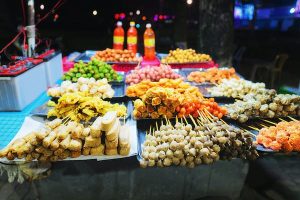
- Festivals and Cities. When visiting Japan, which is far from many European and American countries, you should definitely attend the winter festivals. Popular ones include Sapporo and Otaru. They have excellent night markets and delicious street food.
A trip to Japan can be a true discovery. While the ski tourism industry continues to thrive, you can also enjoy local traditions and cuisine.
Plan Smart, Ride Hard and Enjoy Japan’s Winter Magic
To summarize, we’d like to reiterate your formula for a successful trip. It consists of careful planning, respect for nature, and the motivation to experience new emotions and explore the local culture.
For the most successful trip, it’s best to choose a resort that speaks to your spirit—a bustling resort with vibrant nightlife or a quiet, cozy one. It’s also worth paying attention to the season. There are peak seasons, and early December is more affordable.
When choosing gear to bring, remember that top hotels already have rental options. You don’t always need to get everything with you.
Japan is a stunning place where you can enjoy nature, Asian cuisine, and skiing all at once. It’s also a great option for a family trip. Japan offers trails of varying difficulty and the opportunity to hike with small children.
![Read more about the article Refurbished Travel Laptops [Save Money & Reduce Waste]](https://viptravelcheap.com/wp-content/uploads/2025/11/woman-working-on-laptop-in-modern-cafe-300x175.jpg)