I have a confession. I visited the Algarve in August once, got sunburnt waiting for a table at a beach restaurant in Albufeira, and wrote the whole region off for three years. I was wrong. Spectacularly, embarrassingly wrong.
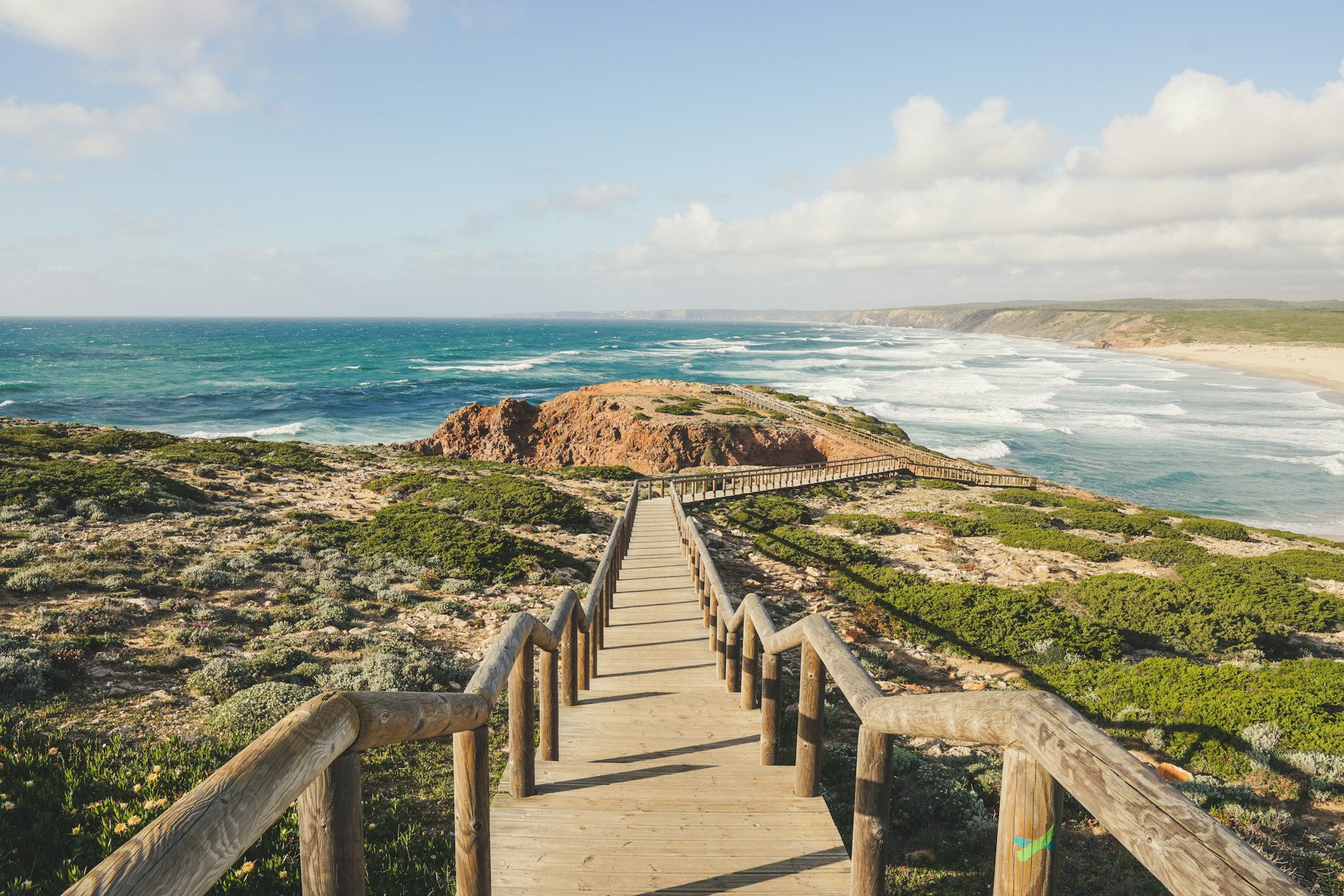
The Algarve I discovered in November was a different place entirely. The same coastline – those insane ochre cliffs, the sea caves, the absurdly photogenic rock formations at Ponta da Piedade – but without the crowds, without the heat that makes you want to lie in a dark room by 2pm, and without the inflated summer prices that make your bank account weep.
If you have only ever seen the Algarve in peak season, you owe it to yourself to go back in winter. Here is why.
The Weather Is Better Than You Think
Let me be clear – it does rain in the Algarve in winter. This is not the Sahara. But the region averages over 300 days of sunshine per year, and even in January the daytime temperature sits comfortably between 15 and 18 degrees. You will need a jacket in the evenings, but most days are bright, dry, and perfect for walking, cycling, or sitting outside with a coffee and a pastel de nata.
Compare that to the UK in January – grey, dark by 4pm, sideways rain – and the Algarve starts to look less like a holiday destination and more like a survival strategy.
What to Actually Do
The beaches are the obvious draw, and in winter they are yours. Praia da Marinha, consistently voted one of Europe’s best beaches, is practically empty in December. You can walk the clifftop trail from Carvoeiro to Benagil without seeing another person. The Benagil sea cave, which requires a 45-minute queue for a kayak in summer, is accessible on your own terms.
But the Algarve’s interior is the real winter revelation. The Via Algarviana, a 300-kilometre walking trail from Alcoutim on the Spanish border to Cabo de Sao Vicente at the southwestern tip of Europe, passes through cork oak forests, abandoned villages, and mountain landscapes that most beach visitors never see. Winter is the ideal season for it – cool enough to walk comfortably, green from the autumn rains, and alive with wildflowers from February onwards.
The Serra de Monchique mountains, just an hour inland from the coast, offer thermal springs, eucalyptus forests, and the kind of quiet that makes you wonder why you spent your last holiday fighting for a sunbed. The town of Monchique itself has a handful of excellent restaurants serving local mountain cuisine – wild boar, cataplana, and medronho (the local firewater distilled from arbutus berries, which is either delicious or horrifying depending on the batch).
Where to Stay
Summer accommodation prices in the Algarve are steep. Winter prices are not. A decent one-bedroom apartment in Lagos, Tavira, or Olhao can be had for EUR 600-900 per month on a short-term let. Smaller towns like Aljezur, Moncarapacho, or Sao Bras de Alportel are cheaper still.
For shorter stays, the region’s hotels drop their rates dramatically between November and March. Properties that charge EUR 200 per night in August are often available for EUR 60-80 in January, with the same facilities and considerably better service (fewer guests means staff actually remember your name).
A growing number of travellers are testing the waters with month-long stays before committing to anything longer. Some arrive on a standard tourist visa and find themselves extending, then extending again, then quietly researching residency options. The pattern is common enough that expat forums and local firms, according to Global Citizen Solutions, have a name for it – the “Algarve slide.”
Eating and Drinking
The Algarve’s restaurant scene is undergoing a quiet transformation. Beyond the tourist-oriented seafood grills (which are fine, if predictable), a new generation of chefs is working with local ingredients in ways that reward winter visitors specifically.
Oysters from the Ria Formosa lagoon are at their best from November to March. The orange harvest in Silves runs through winter, and the town’s annual Orange Festival in February is worth timing your visit around. And the Algarve’s wine scene – particularly the reds from Lagoa and the whites from Lagos – is finally getting the attention it deserves, with several producers now offering tastings and vineyard visits year-round.
Markets are another winter highlight. The Saturday morning market in Loule is open all year, but in winter you can actually move through it. The produce reflects the season – root vegetables, citrus, chestnuts, fresh almonds – and the prices are a fraction of what you would pay in a UK supermarket.
The Practical Bits
- Getting there: Budget airlines serve Faro year-round from most UK airports. Winter flights are cheap – often under GBP 30 each way if you book ahead.
- Getting around: A car is useful for exploring the coast and the interior, but not essential if you are based in one of the larger towns. The regional bus network connects most coastal towns, and Uber operates across the region.
- Connectivity: Wi-Fi is reliable in most cafes and co-working spaces. Faro, Lagos, and Portimao all have co-working options if you need a dedicated workspace.
- Language: English is widely spoken in tourist areas, but a few words of Portuguese go a long way – particularly in the interior, where international visitors are less common.
Worth Bookmarking
- Visit Algarve – Official tourism board with event listings and seasonal guides
- Via Algarviana trail maps – Route planning for the cross-Algarve walking trail
- Portugal’s long-stay visa options – For those considering an extended stay beyond the 90-day tourist limit
- Ria Formosa Natural Park – Ferry schedules and island access information
- Loule Market – Opening hours and seasonal highlights