
For many travelers, North India feels like a world within a world. Snow covered peaks, ancient monasteries, sweeping deserts and bustling cities all set within a few hundred miles of one another. The region offers an interesting mix of adventure, culture and quiet areas that invite you to slow down. At the heart of it sits Ladakh, a high-altitude plateau surrounded by the Himalayas and the Karakoram. It has become one of the most famous regions in Asia for trekking.
Many travelers combine a trek in Ladakh with time in the cities and deserts of Rajasthan or with more classic stops like Delhi and Agra (and the Taj Mahal of course!). It is a journey that shows both the peaceful side of India and the vibrant and lively one. If you are planning a trip to the region, this guide gives you a sense of what to expect, when to go and why Ladakh deserves a place at the top of your list.
Why Ladakh is special
There are many trekking regions in Asia, Nepal for example is a well-known region, but Ladakh has a special appeal. It is one of the few places where sans dune deserts sit under peaks covered in snow. Villages appear like small green islands along the rivers. Prayer flags hang from ridge to ridge, and beautiful monasteries overlook the valleys.
One of the main reasons Ladakh is such a prime trekking destination is its sense of openness. Trails cut through wide, empty landscapes that feel far from the usual tourist routes. Even the popular routes are never crowded. The region also has a deep cultural charm. You can visit Buddhist monasteries, meet local families and learn how people have lived for generations in high mountain terrain. Taken together, these elements make Ladakh feel both adventurous and welcoming.
If you are searching for the best trek in Ladakh, you will find several strong options, from scenic routes suitable for beginners to long, demanding expeditions across high passes. Many travelers pair their trek with one of the Leh-Ladakh tour packages to explore historic sites and remote valleys.

Best treks in Ladakh
Treks in Ladakh vary in length and difficulty, but they all share one thing: unforgettable scenery. Below are some of the treks that travelers often rank among the best.
1. Markha Valley Trek
The Markha Valley is one of the most famous treks in Ladakh. It follows a wide valley dotted with small villages, mani walls and monasteries. The route crosses high passes and offers some of the best views of the Zanskar range.
2. Sham Valley Trek
Often called the baby trek, this route is ideal for beginners or anyone who wants a softer adventure. The trek connects several traditional villages and is known for warm homestay hospitality.
3. Stok Kangri Base Camp Trek
Although climbing Stok Kangri summit is currently on hold because climbing permits are not issued anymore, the base camp trek still offers a challenging high altitude walk with views that stretch far across the region.
4. Chadar Trek
This unique winter trek follows the frozen Zanskar River. It is physically demanding, but the icy landscape and remote camps make it one of the most memorable routes in the Himalayas.
5. Snow Leopard Trek
This wildlife focused trek gives travelers a chance to spot the elusive snow leopard. It takes place mostly in Hemis National Park and requires patience, but the experience of walking through remote winter valleys is unlike anything else.
With so many choices, it is easy to find the best trek in Ladakh for your fitness level and interests.

When to go
The trekking season in Ladakh is highly linked to the weather and altitude. Most travelers visit from June to September, when the passes are open and the days are warm. July and August are the most popular months. Skies are usually clear, and you can expect long walking days surrounded by mountain views.
For a quieter experience (but Ladakh is never really crowded anyway), early June or late September can be very pleasant. Nights become colder, but the landscapes are beautiful and villages are still active. Winter trekking, like the Chadar Trek, takes place from January to February and requires proper gear to face the extreme cold (it can easily go to -25 degrees!).
Before the start of any trek, spending time in Leh to adjust to the altitude is essential. Even short walks can feel tiring on the first day, but your body will adapt quickly with rest and steady pacing.
Acclimatization and local sights
Most travelers spend two or three days in Leh before setting out on a trek. This slow start allows your body to adjust to the altitude, and it also gives you time to explore the town and nearby sites.
Leh is home to the nine level Leh Palace, quiet backstreets lined with cafes and markets filled with local handicrafts. Above the town, Shanti Stupa offers a panoramic view of the valley, especially at sunset.
Several monasteries lie within easy reach of Leh. Thiksey has one of the most striking settings in the region. Hemis is the largest monastery in Ladakh and is known for its annual festival. Alchi is smaller and famous for its ancient murals.
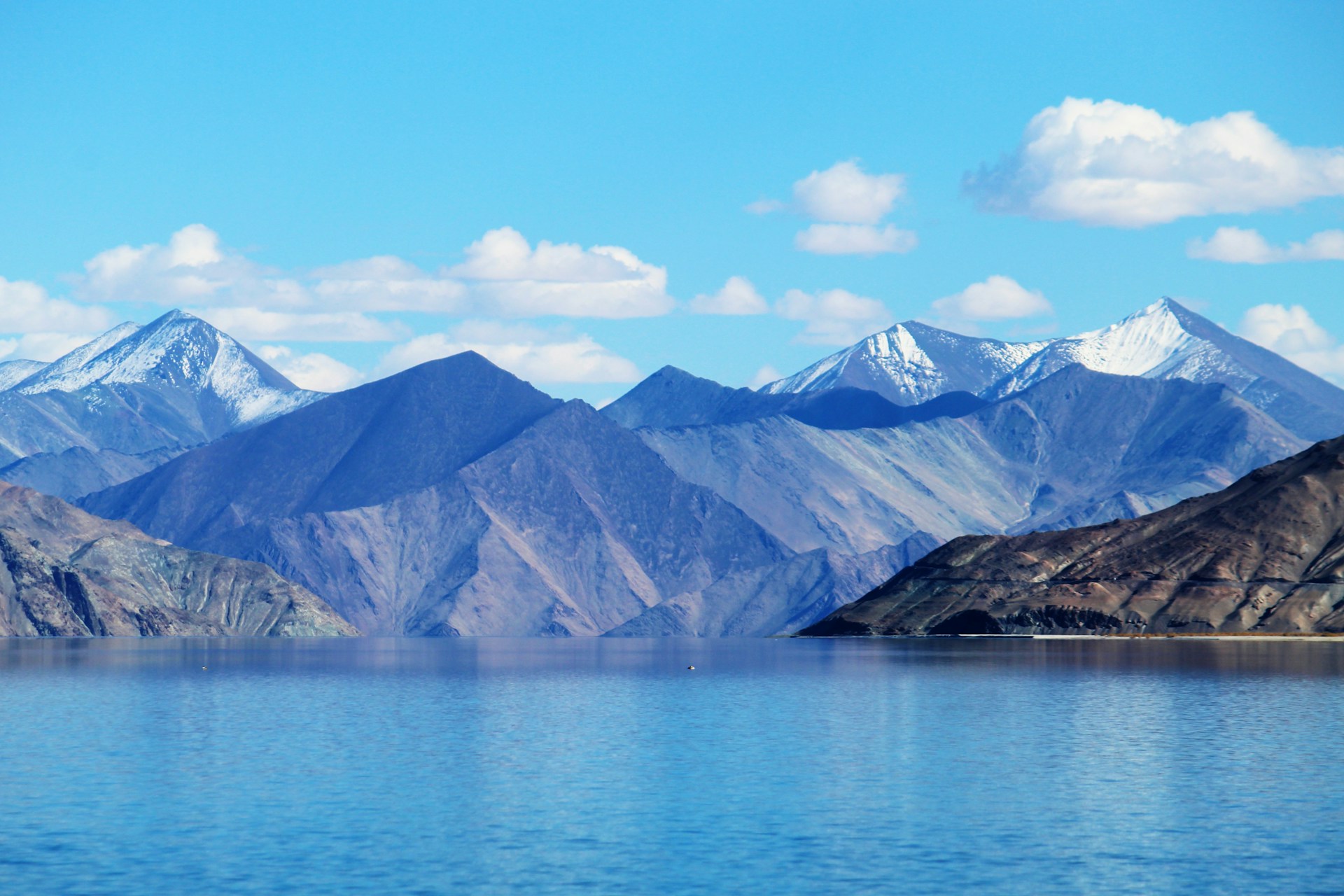
If you have extra days, the high altitude lakes of Pangong and Tso Moriri are worth the journey. The lakes shine in bright shades of blue that shift with the light. These areas are perfect for photography and easy day hikes. Many travelers include them in their Leh-Ladakh tour packages.

Getting there
The easiest way to reach Ladakh is by flight to Leh from Delhi. The short flight crosses the Himalayas, and the view from the window alone is worth the early wake up. Because the airport sits at high altitude, it is common to feel slightly out of breath when you arrive. Take it slow for the first few hours.
It is also possible to reach Leh by road from Manali or Srinagar. These routes are long and scenic, crossing high passes and wide plateaus. They are ideal for travelers who want to experience the changing landscapes of North India. However, the roads are open only during the summer months.
Once in Leh, most trekking agencies will arrange transport to the starting point of your route.
Exploring North India
Many travelers combine their Ladakh trek with visits to other places in India. After days in the mountains, it can be refreshing to relax and explore cities, markets and lower altitude regions.
Delhi is the main entry point for most international flights. The city is a mix of old and new, with narrow lanes in Old Delhi and modern areas full of restaurants and shopping centers. Visiting the Red Fort, Humayun’s Tomb and India Gate gives a sense of the country’s history.
Agra is only a short train ride from Delhi and is home to the Taj Mahal. No matter how many photos you have seen, the first sight of the building still feels special. Many travelers include Agra in what is known as the Golden Triangle, which also includes Delhi and Jaipur.

A break in Rajasthan
After trekking at high altitude, spending a few relaxing days in Rajasthan can be the perfect way to end your trip. The region is known for its warm climate, impressive forts and colorful markets. For example, Jaipur is the most popular Rajasthan tourist location and can be a great option for a couple of days. The Pink City (the other name of Jaipur) is famous for the City Palace, Amber Fort and markets filled with textiles and jewelry. Other famous Rajasthan cities include Jodhpur, with a blue old town that sits below the impressive Mehrangarh Fort. For a quieter break, Udaipur offers a peaceful lakefront setting with palaces that reflect in the water. These cities provide a gentle contrast to the wild landscapes of Ladakh and help balance the adventure with time to chill and relax.

Ju-Leh Adventure: the best trekking agency in Ladakh
A good trekking agency can make your experience in Ladakh safer and more enjoyable. Local knowledge is especially important at high altitude regions where weather and trail conditions can change fast.
Ju-Leh Adventure is one of the most respected agencies in Ladakh. They focus on small group travel, responsible tourism and strong support for local communities. Their guides know the region well and are trained in altitude awareness. Whether you are looking for a short trek, a long expedition or a combination of trekking and sightseeing, they can help design an itinerary that matches your pace and interests.
Travelers often choose Ju Leh Adventure for their flexible approach. Some join fixed departures while others prefer custom plans that include both trekking and cultural visits. Many combine a trek with one of the Leh-Ladakh tour packages that cover monasteries, lakes and lesser known valleys.
An memorable journey
Traveling in North India offers a rare mix of adventure, culture and history. Ladakh stands out as a place where the landscape still feels wild and untouched. Whether you are crossing a high pass, sharing tea in a village home or watching the sunset over Pangong Lake, the experience is just memorable.
Adding time in Rajasthan or the Golden Triangle helps round out the journey. You experience both the peaceful rhythm of the mountains and the vibrant energy of the plains. For travelers who want to see different sides of India in one trip, this combination works well.