Wellness travel retreats exist for a simple reason. You need space to reset without distractions, pressure, or constant noise. These retreats create environments where mental clarity, physical health, and emotional balance can rebuild together. Instead of rushing through landmarks or packing days with activity, wellness travel slows the pace and refocuses attention on how you feel.
As wellness tourism continues to grow across the global wellness tourism sector, travelers are choosing experiences that support long-term wellbeing rather than short-term escape. Wellness retreats answer that need by offering structured routines, restorative practices, and intentional downtime. Each type of retreat serves a different purpose, depending on what your mind and body need most at that moment.
Below are the most impactful types of wellness travel retreats and how each one supports mind, body, and spirit in practical, meaningful ways.
Yoga and Movement-Based Wellness Retreats
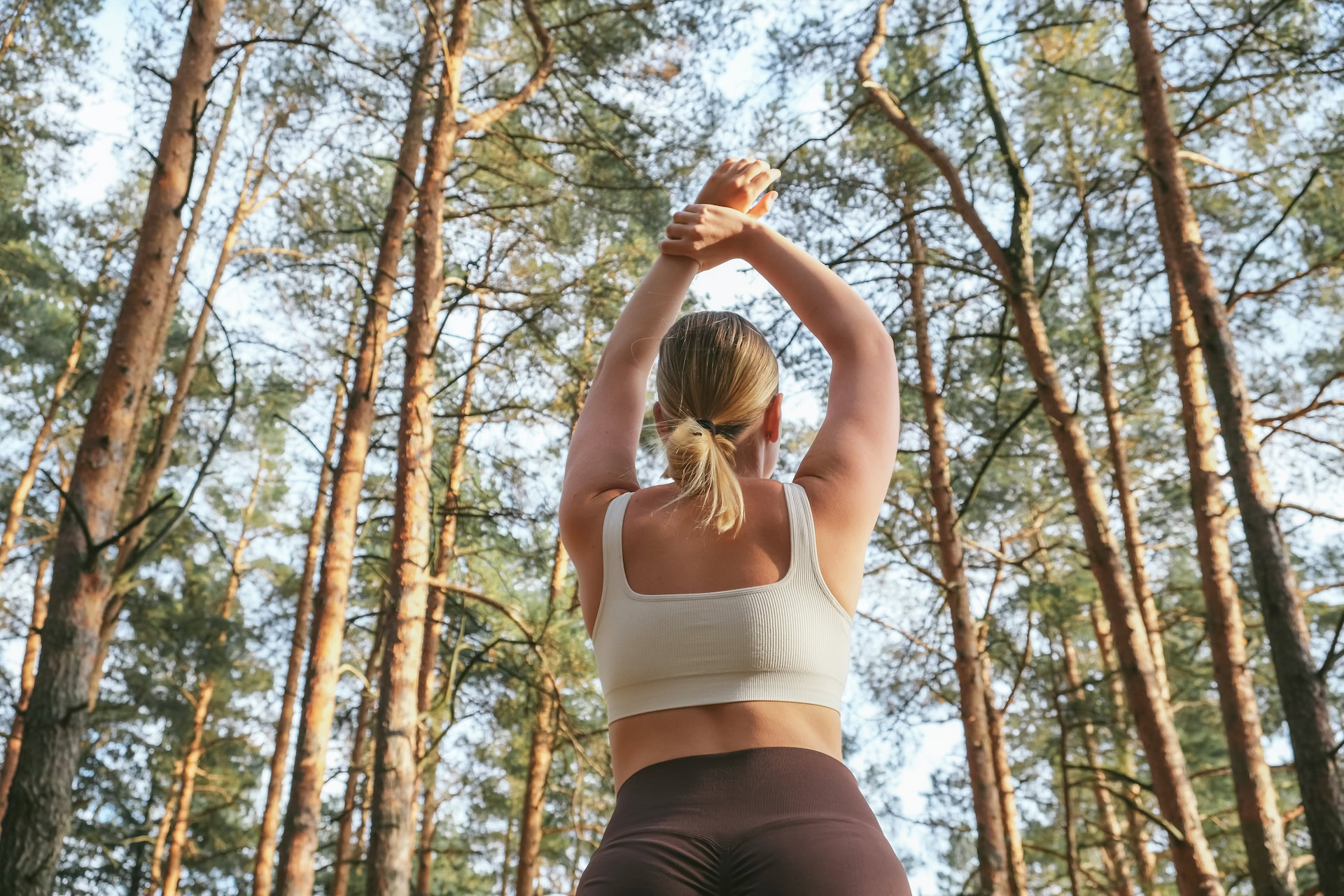
Yoga retreats remain one of the most popular adventure holidays in wellness travel, and for good reason. These retreats combine physical movement, breathwork, and mindfulness into a daily rhythm that supports balance without strain.
You typically follow a consistent schedule that includes morning and evening yoga sessions. These sessions focus on strength, flexibility, posture, and breath awareness. Movement stays accessible, even if you’ve never stepped on a yoga mat before.
Between sessions, many yoga retreats encourage light outdoor movement such as walking, swimming, or gentle hiking. Some programs also blend yoga with guided nature experiences, creating space for movement that feels energizing instead of exhausting.
Overall, yoga retreats can calm overstimulation and slow the nervous system, improving your mental wellness. Emotionally, the consistent routine creates stability that allows stress to release naturally over time.
Yoga meditation retreats are especially helpful if you’re dealing with burnout, anxiety, or chronic tension. They teach techniques you can carry home and use long after the retreat ends.
Nature-Immersive and Outdoor Wellness Retreats
Nature-focused wellness retreats rely on the healing effect of the outdoors. These retreats place you in environments where natural surroundings shape the experience.
Days often include guided walks, mindful hiking, water immersion, or grounding practices that reconnect you with your senses. The goal is not endurance, but presence. Movement happens at a pace that allows awareness to stay intact.
Outdoor wellness retreats benefit mental health by reducing cognitive overload. Natural settings lower stress hormones and improve focus. Physical movement in fresh air supports circulation and energy levels without overexertion.
Spiritually, these retreats foster perspective. Time in nature encourages reflection and emotional clarity. Without constant digital input, thoughts slow down, and priorities feel easier to identify. These retreats work well for travelers seeking mindful travel experiences that combine gentle physical activity with mental restoration.

Meditation and Mindfulness Retreats
Meditation and mindfulness retreats are designed for moments when mental noise feels constant, and focus is hard to maintain. These retreats reduce external distractions so attention can gradually turn inward, allowing the mind to slow down without pressure or forced stillness. Instead of rushing into silence, the structure gently supports awareness through guided practices that feel approachable, even for beginners.
Daily schedules often move between seated meditation, walking meditation, breath awareness, and periods of quiet reflection. Each practice builds on the last, helping concentration deepen naturally throughout the day. Some retreats introduce sound baths as part of this progression, using vibration and tone to ease mental tension and encourage relaxation when traditional meditation feels challenging. These sessions support nervous system regulation and often help release emotional buildup without the need for verbal expression.
Over time, you may notice mental benefits like a sharper focus, better moods, and steadier emotional responses. Physical stress often softens as well, with many people experiencing improved sleep and reduced tension. On a deeper level, these retreats create space for self-awareness to develop.
Sleep and Recovery Retreats
Sleep and recovery retreats take a more foundational approach to wellness by addressing rest as a priority. When sleep suffers, mood, digestion, immunity, and cognitive performance tend to follow, which is why these retreats focus on rebuilding healthy rhythms instead of masking fatigue.
You follow structured daily schedules that support natural sleep cycles through balanced activity, controlled light exposure, and calming evening routines. Guided wind-down practices replace overstimulation at night, helping the body recognize when it’s time to rest. Days remain intentionally paced, with gentle movement that supports circulation without draining energy, and meals that stabilize blood sugar instead of triggering spikes and crashes.
These retreats work well for both primary wellness travelers who plan trips around health goals and secondary wellness travelers who add recovery-focused experiences to broader travel plans. By restoring sleep first, mental clarity improves, physical recovery accelerates, and daily energy becomes easier to sustain long after the retreat ends.
Nutrition and Detox Wellness Retreats
Nutrition-focused wellness retreats emphasize nourishment. Meals support digestion, energy stability, and recovery without extreme rules.
Farm-to-table dining often forms the foundation of these retreats. Fresh, thoughtfully prepared meals help regulate blood sugar and reduce inflammation. You learn how food choices influence mood, focus, and physical comfort.
Some retreats explore structured eating patterns such as intermittent fasting under professional guidance. Others focus on mindful eating habits that encourage awareness. Mentally, these retreats reduce decision fatigue around food. Physically, digestion improves. Spiritually, the relationship with nourishment becomes more intuitive and respectful. These retreats are ideal if you want practical tools for sustainable eating habits.
Traditional and Cultural Healing Retreats
Traditional and cultural healing retreats are built around long-standing practices that focus on balance, awareness, and connection. These retreats often draw from indigenous healing traditions that treat wellbeing as something experienced through the body, the environment, and intentional ritual.
Activities may include Temazcal ceremonies, guided breathwork, or traditional movement practices, each designed to support grounding and emotional release. The structure encourages you to pay attention to physical sensations, breathing patterns, and emotional responses as they unfold.
These retreats don’t promise transformation or quick results. Instead, they create space for observation and reflection, allowing you to notice how your body and mind respond when routines slow down, and distractions fade. Many people find this approach emotionally clarifying, since it removes pressure to analyze or explain the experience while still offering meaningful insight.
Cultural healing retreats tend to appeal to travelers looking for depth and authenticity, especially those interested in wellness experiences that feel rooted in tradition.
Spa and Water-Based Wellness Retreats
Spa and water-based wellness retreats focus on recovery through rest and sensory support. Water plays a central role in these experiences, using temperature, buoyancy, and gentle movement to ease physical tension and calm the nervous system.
Thermal and mineral water sessions help improve circulation, reduce muscle soreness, and lower stress levels. Hot spring environments encourage slow, mindful movement, making it easier to relax without effort. Floating, soaking, and hydrotherapy sessions allow the body to recover while the mind settles into a quieter state.
Water-focused spaces such as infinity pools promote stillness and presence without isolation. These retreats feel especially accessible if you’re new to wellness travel, since rest becomes the main focus. Over time, muscles soften, joints feel more supported, and mental fatigue eases, creating a sense of calm that carries through the entire stay.
Integrative Wellness Retreats for Long-Term Balance
Some wellness retreats combine multiple disciplines into one experience. These integrative retreats address movement, nutrition, mindfulness, rest, and emotional well-being together.
Daily schedules balance structure with flexibility. You engage in wellness practices without feeling rushed or overwhelmed. Educational sessions help translate retreat experiences into daily habits.
These retreats support holistic wellbeing by showing how different aspects of health influence each other. They work well for travelers seeking comprehensive wellness support without extreme specialization.
Takeaway
Wellness travel retreats provide structured environments that support mental clarity, physical recovery, and emotional balance at the same time. Whether the focus is yoga, nature immersion, sleep restoration, or mindful nourishment, each retreat type serves a distinct purpose. The right retreat meets you where you are and gives you tools you can carry forward. When chosen intentionally, wellness travel becomes a practical step toward lasting wellbeing.