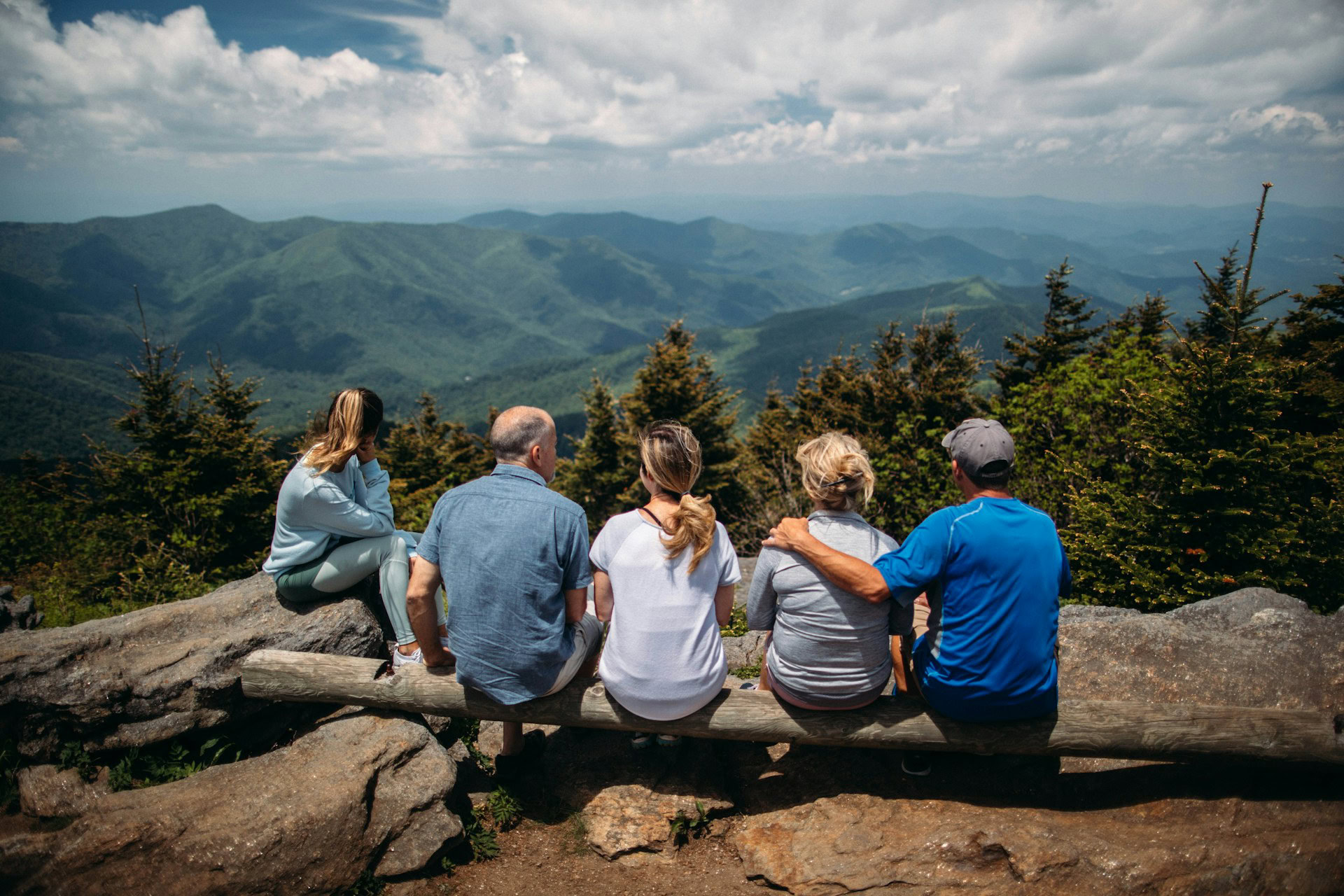
Traveling with grandparents, parents, and children can create some of the most memorable family experiences. It can also present challenges when different ages, interests, and energy levels come together on one trip. The key lies in choosing experiences that give everyone a chance to enjoy themselves without turning the vacation into a complicated schedule. When you plan with flexibility and focus on shared experiences rather than packed itineraries, you create opportunities for meaningful time together.
What Makes Multi-Generational Travel Work
Successful multi-generational trips start with realistic expectations. Family members often travel differently. Grandparents may prefer a slower pace, while children usually want frequent activities and opportunities to explore. Before booking anything, discuss priorities with everyone involved. Ask each person what they would most like to experience during the trip. When you identify a few shared goals, planning becomes much easier.
Choosing Destinations That Suit All Ages
The best destinations offer a variety of activities within a compact area. Beach towns, national park regions with accessible trails, and historic cities with walkable centers often work well because they provide options for different interests and mobility levels. Consider destinations where family members can easily split up for a few hours and reconnect later. A lakeside resort, for instance, allows grandparents to relax while teenagers try water sports and younger children enjoy supervised activities. Everyone gets some independence without feeling disconnected from the group.
Accommodation Options for Larger Family Groups
Accommodation choices can influence the entire trip experience. Vacation homes often provide more flexibility than booking several hotel rooms because they create shared spaces for meals, games, and conversations. Look for properties with multiple bathrooms, comfortable communal areas, and quiet spaces where people can retreat when they need downtime.
Balancing Activities, Rest, and Free Time
Many families make the mistake of filling every hour with planned activities. A better approach combines structured experiences with opportunities to relax. Schedule one major activity each day and leave space around it for individual choices. This balance works particularly well on walking-focused trips. Some families discover that Camino holidays offer a useful model because participants can walk at their own pace during the day before reconnecting for meals and shared evenings. That flexibility helps accommodate different fitness levels while still creating a common experience.
Slow Travel and Shared Experience Holidays
Slow travel encourages families to engage more deeply with a destination instead of rushing between attractions. Spending a week in one location often creates stronger memories than visiting several cities in quick succession. Choose experiences that naturally bring people together. Cooking classes, local food tours, boat excursions, or guided nature walks give family members something meaningful to discuss afterward. Shared activities often spark conversations between generations that might not happen in everyday life.
Planning Transport, Budget, and Accessibility
Practical planning prevents many common travel frustrations. Discuss budgets early so everyone understands expected costs and can make informed decisions. When possible, build a small contingency fund for unexpected expenses. Research transport options and accessibility features before booking. Direct flights and shorter transfer times can make a significant difference for older adults and young children. Check mobility requirements for attractions in advance to avoid disappointment and ensure that every family member can participate comfortably.