There was a time when a good holiday was measured by how much ground was covered. Fourteen cities in ten days. A different hotel every night. Alarm calls at 5am to beat the queues. The holiday photos were impressive; the return to work, less so.
Something is shifting. Quietly but unmistakably, travellers are reassessing what they actually want from their time away — and the answer, increasingly, is less. Less rushing, less planning, less trying to see everything. More stillness, more sleep, more arriving somewhere and actually staying long enough to feel it.
It’s being called slow travel, wellness travel, restorative tourism — but whatever the label, the instinct behind it is the same. People are choosing holidays that give something back rather than simply ticking something off.
The Burnout Factor
It’s not hard to understand why. For many people, everyday life is already full to the edges — work that doesn’t switch off, phones that are always on, a relentless sense that there’s always something else to do. A holiday that replicates that pace, just in a different postcode, doesn’t actually solve the problem.
Wellness and travel researchers have noted a marked increase in bookings for longer stays, single-destination trips, and experiences built around rest rather than activity. The pandemic reset a lot of assumptions about what travel is for, and many of those assumptions haven’t snapped back.
The question now isn’t where can we go? It’s how do we want to feel when we get back?
Staying Closer to Home: The Rise of UK Spa Hotels
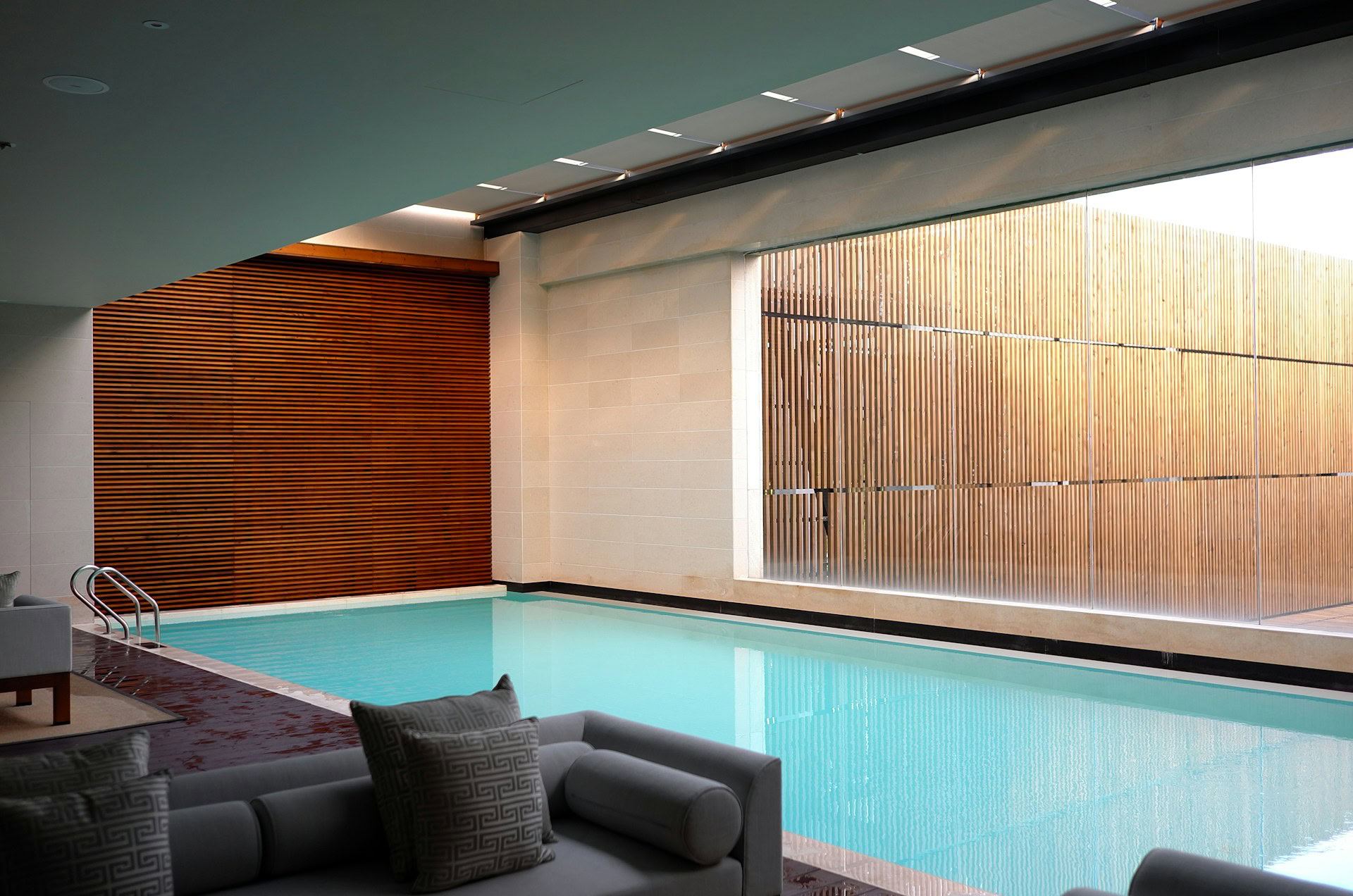
One of the most interesting trends within the slow travel movement is a renewed appreciation for what’s right on the doorstep. For British travellers especially, uk spa hotels have become a genuine destination in their own right — not just a nice extra, but the entire point of the trip.
And the options have genuinely never been better. The Lake District has boutique spa retreats where the only agenda is a morning walk followed by an afternoon in the hydrotherapy pool. The Scottish Highlands offer remote lodges with hot tubs on the deck and nothing but stars overhead. The Cotswolds and Yorkshire Dales are full of country house hotels where afternoon tea, a long soak, and eight hours of uninterrupted sleep constitute a perfectly complete itinerary.
The appeal of a UK spa break within the slow travel framework is obvious: no airport stress, no jet lag, no overpacking. Just a relatively short journey to somewhere beautiful, and a few days of doing very little very well.
For solo travellers particularly, UK spa hotels offer a safe, welcoming, and self-contained kind of freedom — one where it’s entirely acceptable to spend the afternoon reading by a pool without explanation.
Going Further Afield: Restorative Holiday Packages
For those with more time or who simply want the psychological reset that comes with a longer journey, the travel industry has responded to the wellness shift with a growing range of holiday packages designed specifically around restoration rather than stimulation.
These aren’t the back-to-back excursion packages of old. They’re curated experiences built around staying put — a week at a Portuguese yoga retreat, a ten-day Ayurvedic programme in Sri Lanka, a slow food and hiking package through the hills of Tuscany. The best ones handle everything: flights, transfers, accommodation, and a daily rhythm that’s built for genuine recovery.
Even more traditional beach holiday packages are being reframed around this philosophy — resorts with digital detox options, no-alarm-clock policies, and menus built around nourishment rather than novelty. The all-inclusive format, once associated with unlimited buffets and entertainment schedules, has found a new life as a genuinely restful proposition when chosen thoughtfully.
What makes the packaged approach particularly well-suited to slow travel is the removal of decision fatigue. When everything is arranged in advance, there’s nothing left to manage — which is rather the point.
What Slow Travel Actually Looks Like in Practice
Slow travel doesn’t have to mean doing nothing. It means being intentional. It might look like:
- A four-night stay at a UK spa hotel with one day trip built in — and no guilt about the other three days spent entirely within the grounds
- A two-week package holiday to a single destination, allowing enough time to actually settle, explore a local market, and find a favourite café
- A rail journey across Europe with long overnight stops, chosen for the journey as much as the destination
The common thread is depth over breadth, and presence over productivity.
The Takeaway
Travel doesn’t have to be exhausting to be worthwhile. The growing move towards slower, more restorative holidays isn’t a retreat from ambition — it’s a recalibration of what adventure actually means. Sometimes the bravest thing a traveller can do is arrive somewhere beautiful and simply stop.