
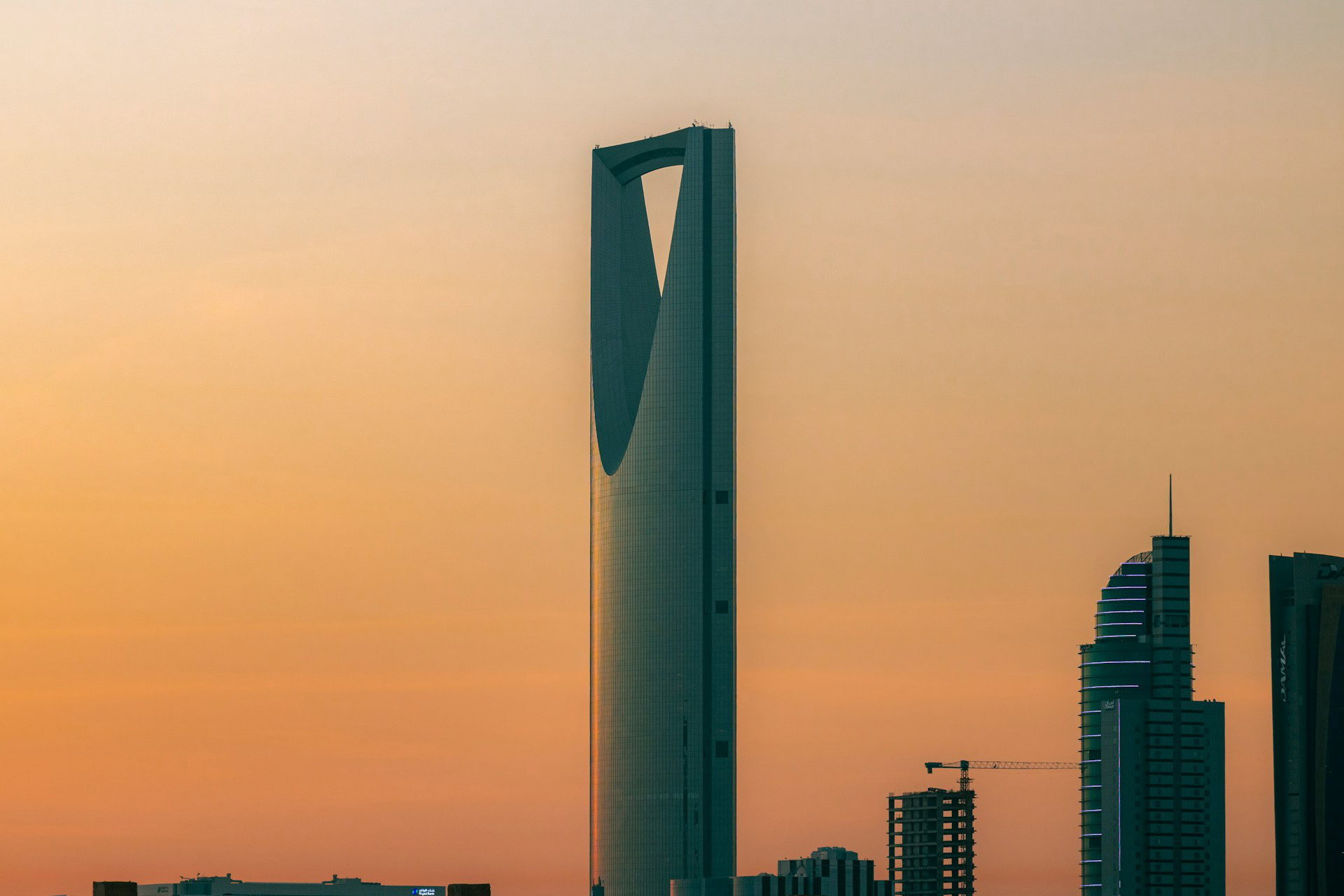
Saudi Arabia has gone from a place many travelers only read about to a destination that now sits squarely on the global travel map. In 2024, the Kingdom welcomed around 116 million domestic and inbound tourists, while inbound tourism alone reached 29.7 million visitors and generated 168.52 billion SAR in spending, a clear sign that the country is building a serious tourism engine rather than just launching a campaign. That shift is part of the broader Vision 2030 push, and it shows up everywhere, from visa policy to heritage restoration.
Why Saudi Arabia deserves more than a quick stop?
The easiest way to understand Saudi Arabia is to stop thinking of it as one destination. It is a country of sharply different travel moods, where a modern capital, a Red Sea port, a desert archaeological site, and a mountain escape can all sit inside the same itinerary. UNESCO’s World Heritage list for Saudi Arabia now includes eight sites, among them Hegra, At-Turaif in Diriyah, Historic Jeddah, Rock Art in Hail, Al-Ahsa Oasis, Ḥimā Cultural Area, ‘Uruq Bani Ma’arid, and The Cultural Landscape of Al-Faw.
Visiting to these places gives the trip a real depth. You can come for landscapes and leave with a crash course in Nabataean history, Islamic heritage, oasis culture, and living urban Arabia.
Entry rules, visas, and the one thing to check before booking
For many travelers, Saudi Arabia is far easier to enter than it used to be. The eVisa portal says eligible travelers from 66 countries can apply online, and the visa is a one-year, multiple-entry visa that allows stays of up to 90 days. It covers tourism, family visits, leisure travel, and Umrah, but not Hajj or study. That clarity helps a lot, because it removes much of the uncertainty that once made Saudi feel inaccessible. Visitors should know the decorum code for different places, and better to carry an eSIM like the one from Simovo eSIM for Saudi Arabia to stay connected and browse the internet all the time.
The best time to go depends on what kind of trip you want
Saudi Arabia can be visited year-round, and Visit Saudi itself frames the country as a destination with something to see every month. In practice, though, the most comfortable window for a first trip is usually October to March, when temperatures are far more forgiving than in the deep summer months. Summer heat can push above 40°C in much of the country, while the mountains of Aseer stay noticeably more pleasant.
That seasonal contrast gives you an easy planning shortcut. Winter is the safest bet for a broad, multi-city trip, while summer only really works if you are targeting cooler highland areas or building your days around indoor experiences and late evenings.
Where to go first?
If this is your first Saudi Arabia trip, Riyadh makes a logical opening chapter. The city is the country’s modern heartbeat, but it also works as a gateway into heritage through nearby Diriyah, home to At-Turaif, one of the Kingdom’s UNESCO sites. From there, the contrast with Jeddah is immediate. Jeddah leans into the Red Sea, coastal life, and Al-Balad, the historic quarter that comes alive at night with heritage streets, local food, and entertainment. Those two cities alone already show how broad the country’s travel identity has become.
Then comes AlUla, which may be the place that changes the way many travelers see Saudi Arabia. Hegra is the Kingdom’s first UNESCO site, with ancient tombs and rock carvings set in a desert landscape that feels almost unreal in person. From there, Al-Ahsa adds a completely different rhythm. It is one of the world’s largest natural oases, with date palms, springs, and layers of heritage spread across a green landscape that feels startling after the desert. If you want mountain air, Aseer gives you cooler peaks, heritage villages, and lush valleys, which makes it the region to think about when you want Saudi Arabia without the heat-heavy stereotypes.
How to move around without wasting time?Saudi Arabia is big enough that the transport strategy affects the whole trip. Intercity movement is handled well by buses and planes, while the expanding rail network includes the Haramain High-Speed Train. That train matters more than travelers expect, because it connects key western destinations and makes the Makkah-Madinah-Jeddah corridor much easier to manage.